It’s easy to get overwhelmed by the vast amount of vocabulary that the tea world uses, especially as an English speaker. Learning some of the most common words in Mandarin can help a lot. In this post, I’ll be sharing the basics of Chinese tea color terms that you might come across. They are words that you’ll come across often in your tea journey.
Bai Cha
Bai Cha directly translates to English as white tea. It is named not for the brewed tea, which does tend to be pale, but for the hairs that cover the tender buds used to make teas like Silver Needle. It does not necessarily refer to oxidation as there are many different ways to make white tea. One exception to watch out for is a famous Chinese green called Anji Bai Cha, which is name named for the pale coloration of the leaves of the cultivar it is made from.
Huang Cha
Huang Cha is the Mandarin word for yellow tea. It’s the hardest category of tea to define but it usually refers to tea that is slightly oxidized due to the wrapping step during processing. Some people lump these in with green teas. You might also see it used to describe a tea called Balhyocha, but that isn’t quite accurate in my opinion because South Korea defines its teas differently.
Lu Cha
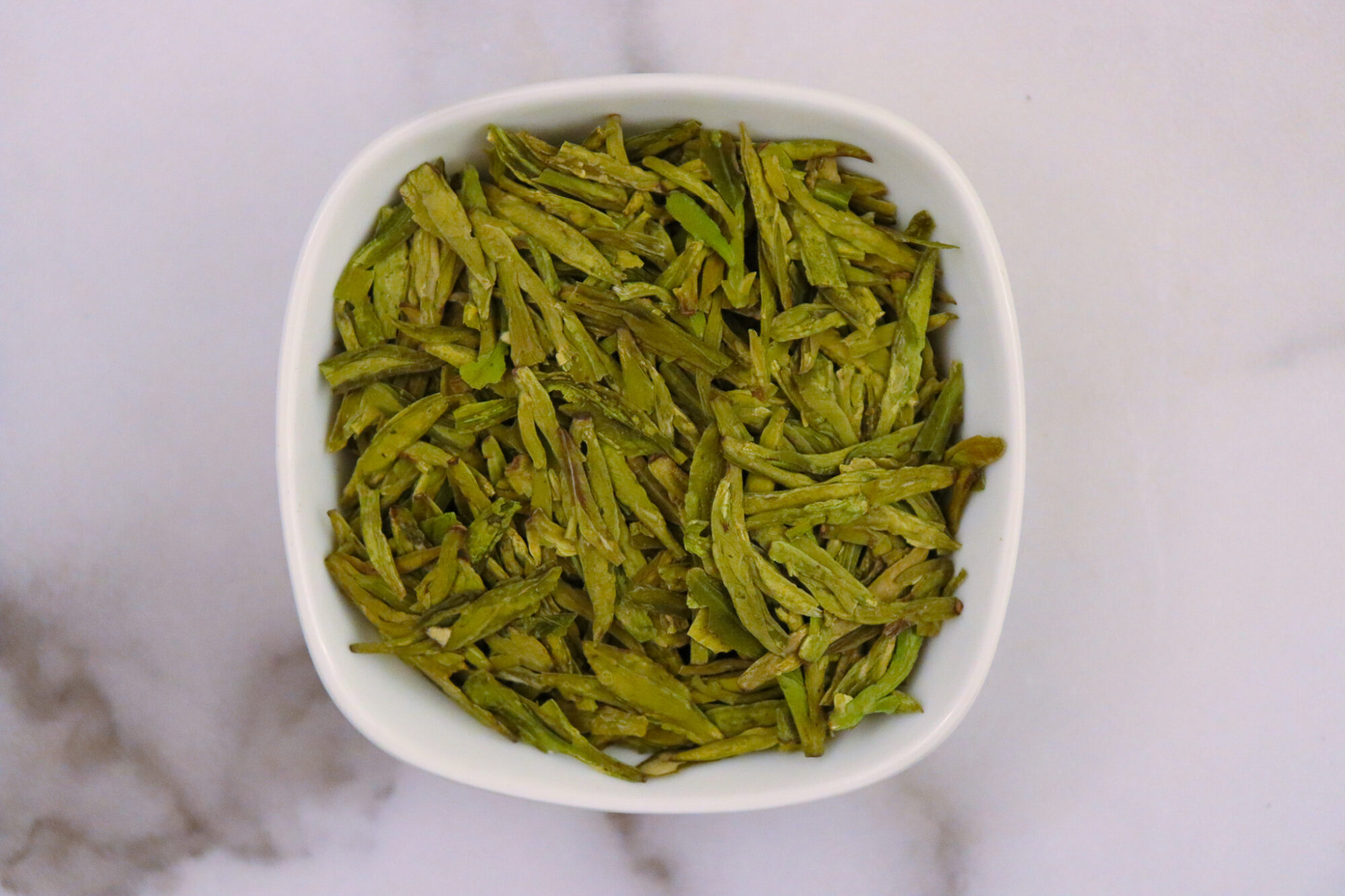
Lu Cha is the Chinese tea color term for green tea. Heat is applied immediately after harvesting, which denatures the enzymes and keeps oxidation to a minimal level. For Chinese teas, this step is usually done through pan roasting. I don’t encounter Lu Cha nearly as often as the other ones for some reason. Green teas are more frequently marketed by the specific type of tea and region that they are from., like Longjing and Tai Ping Hou Kui.
Wulong Cha
Wulong, or oolong, refers to partially oxidized teas. It is a great example of how tricky it can be to translate from one language to another. That is especially true in the case of Mandarin because it doesn’t use the Latin alphabet. Wulong is a phonetic translation of the Fujianese dialect. It is often translated as black dragon. In Taiwan, the use of wulong is usually reserved for rolled oolongs that are made from select cultivars. Some websites I found refer to it as cyan or blue tea, but I have not seen that from any Chinese sources. It could also lead to confusion with the butterfly pea flower, which is an herbal tea that is often called blue tea.
Hong Cha
One of the most confusing Chinese tea color terms is hong cha, which refers to fully oxidized teas that are what we call black tea in the West. The name comes from the reddish color of the infusion. Dutch and British traders did not know this and called it black tea because the leaves are dark in color. The name stuck even though we now know that the Mandarin word for black tea refers to an entirely different category. A big part of the reason is that it was not known by tea drinkers outside of China and its bordering countries until fairly recently.
When red tea isn’t red tea
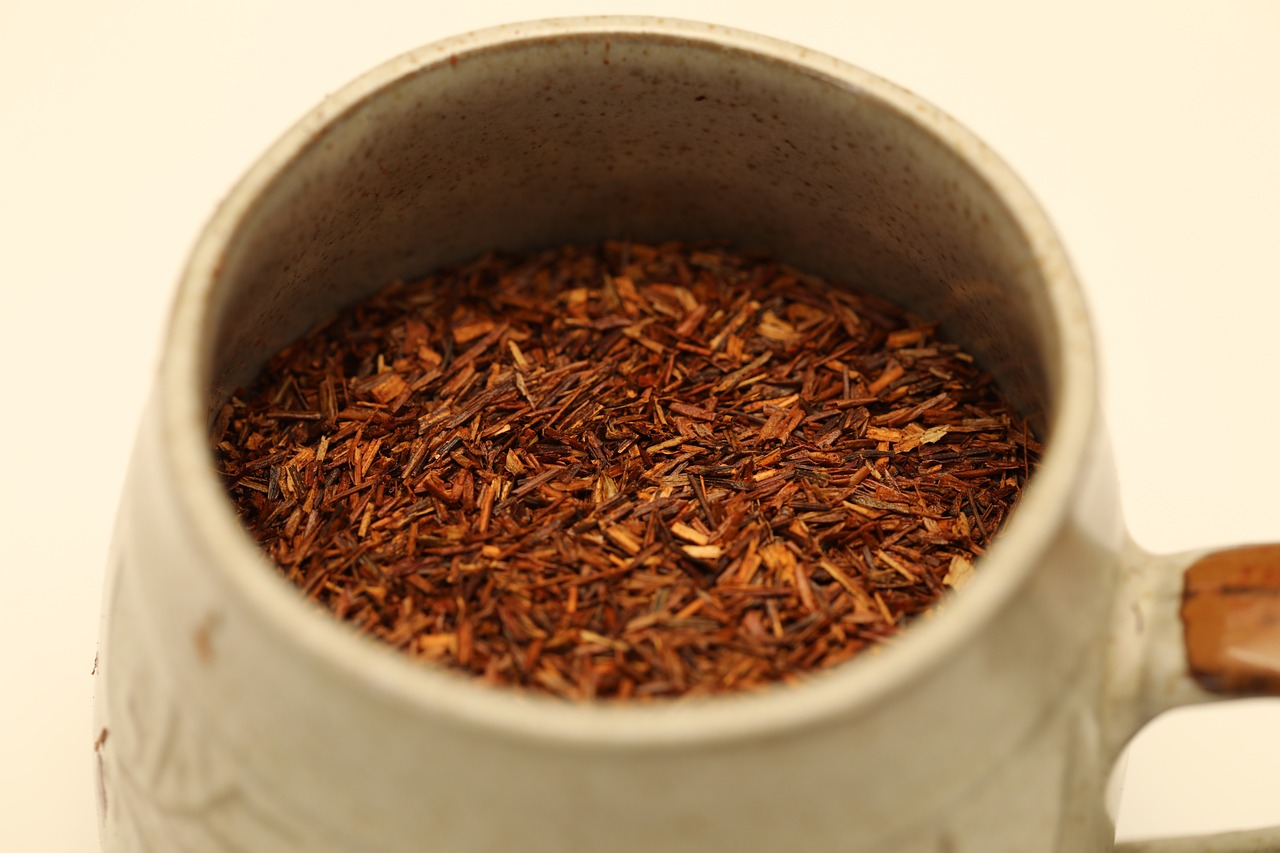
Rooibos is an herbal tisan native to South Africa that is often called red tea. This can make things confusing because hong cha means red tea but only refers to teas that are made from fully oxidized leaves of Camellia Sinensis.
Heicha
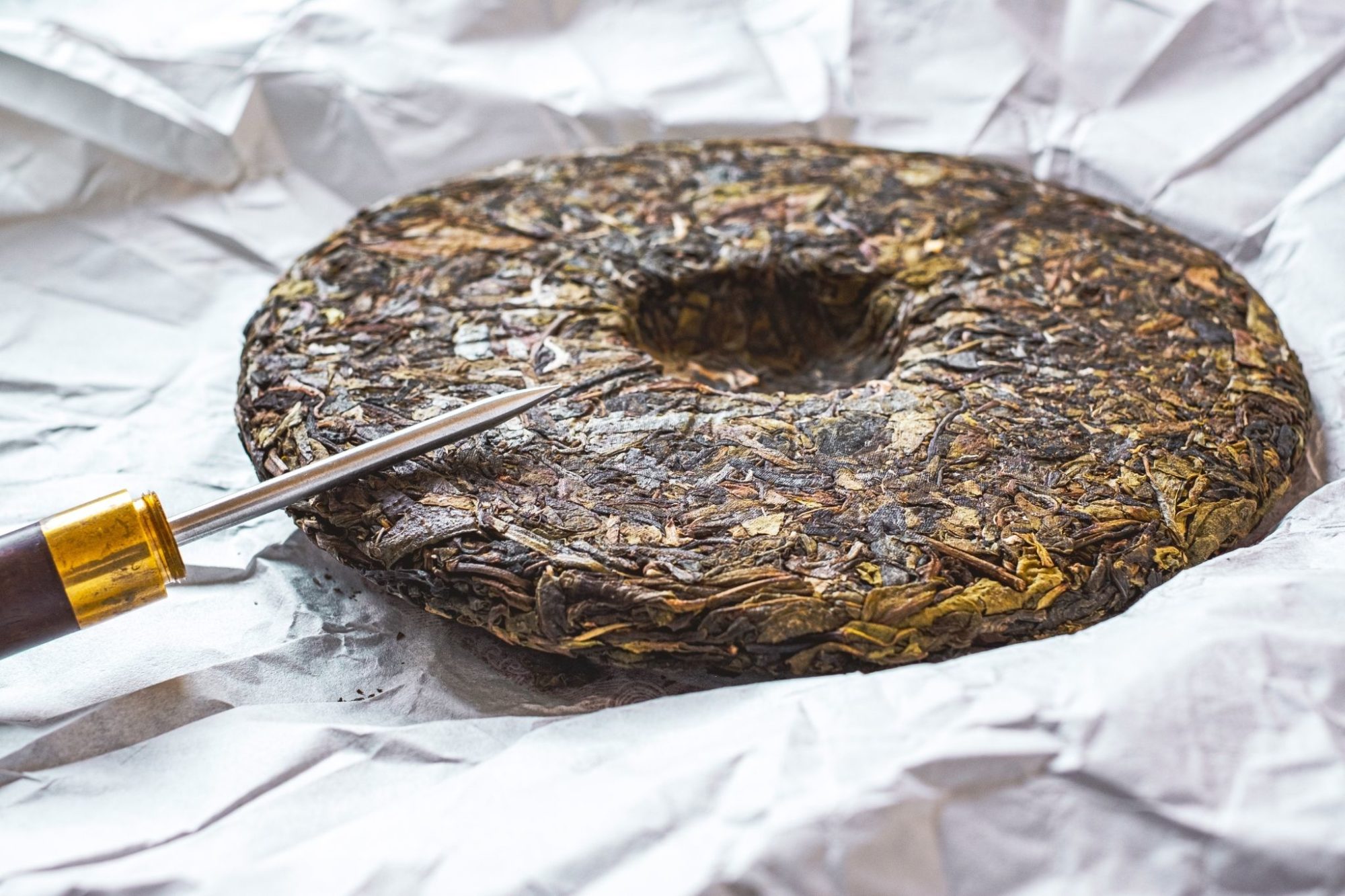
Heicha, which can be translated to English as black or dark tea, is a category of teas that are fermented. The most well-known types are sheng and shu puerh from Yunnan Province. There are also other fermented teas from other parts of China, like Liu An, that fall into this category. Teas can be fermented naturally, which can be sped up by storing them in a humid environment, or through a purposeful inoculation of microbes.
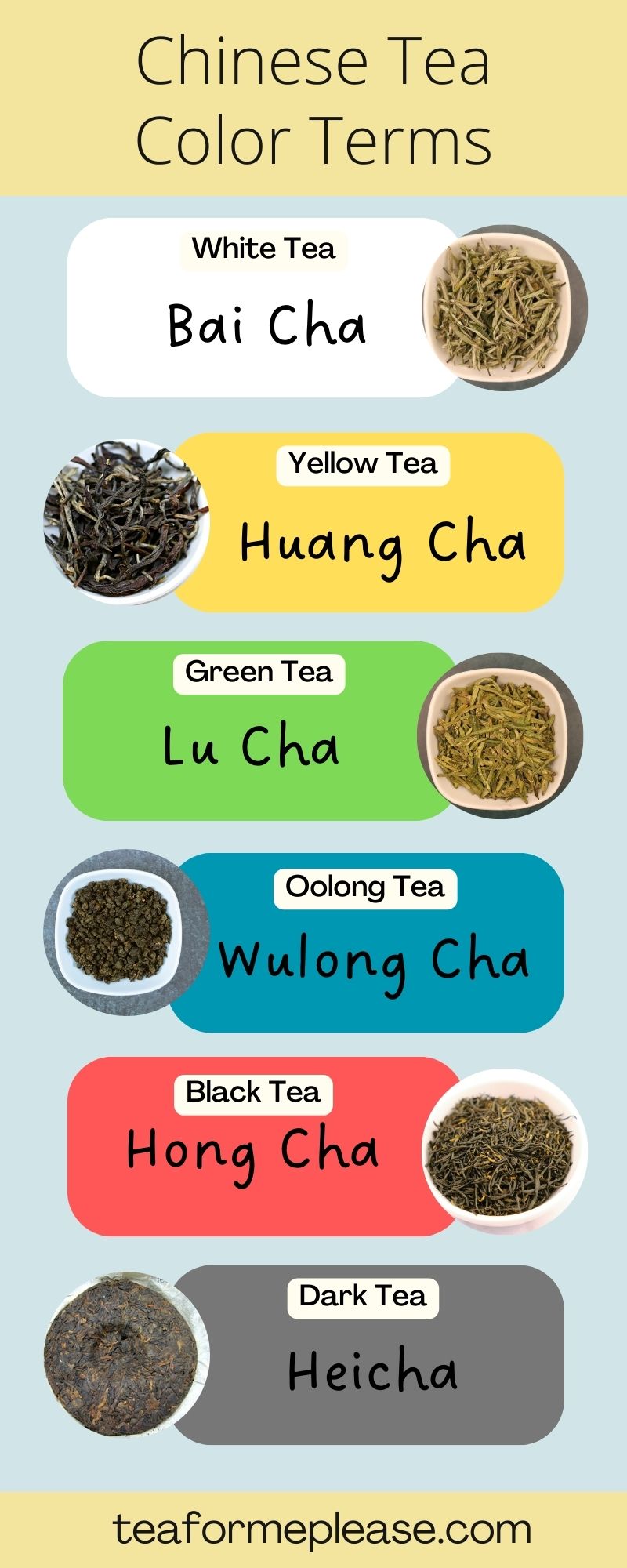
Chinese Tea Color Terms Infographic
I put together an infographic of these terms that can be saved for future reference. If you found this post helpful, please share it with your tea-loving friends or on social media.
Did any of these Chinese tea color terms surprise you? What tea terms do you want to know more about? Let me know about it in the comments below!
This post was first published on September 15th, 2015. It was revised and updated on August 14th, 2023.
Help Support This Site

Please support my work in tea by joining my Patreon community. Give what you can and receive access to exclusive behind-the-scenes content, my private Discord server, surprise quarterly packages, and more!
Very nice! I don’t recall seeing this presented in such a concise and easy-to-understand format. Thank you.