
I can’t believe that I’m almost finished sharing the tea places that I visited in Japan! Mandaracha in Kyoto’s Higashiyama Ward was definitely a highlight for me. We were treated to a private visit as part of the Japanese Tea Master Course I took with the Global Japanese Tea Association.
About Mandaracha
Mandaracha is unusual in that it is a Japanese tea house owned by a person who is not Japanese. They have a curated menu of teas from all over Japan, a variety of vegan sweets, and Awacha (a draft nitrogen-infused cold tea that they have trademarked). All of their staff can speak both Japanese and English. Some can speak French or Italian. The tea house also offers workshops and artistic events.
Address: 278-1 Yamashirocho, Higashiyama Ward, Kyoto 605-0831
Hours: 1:00-6:00 pm Monday, Tuesday, Friday
10:00 am-6:00 pm Saturday and Sunday
Website: https://www.mandaracha.com
Specialty: Vegan tea house, nitro tea

When we first arrived at Mandaracha, we were served their signature Awacha in champagne flutes. It was very smooth and refreshing.
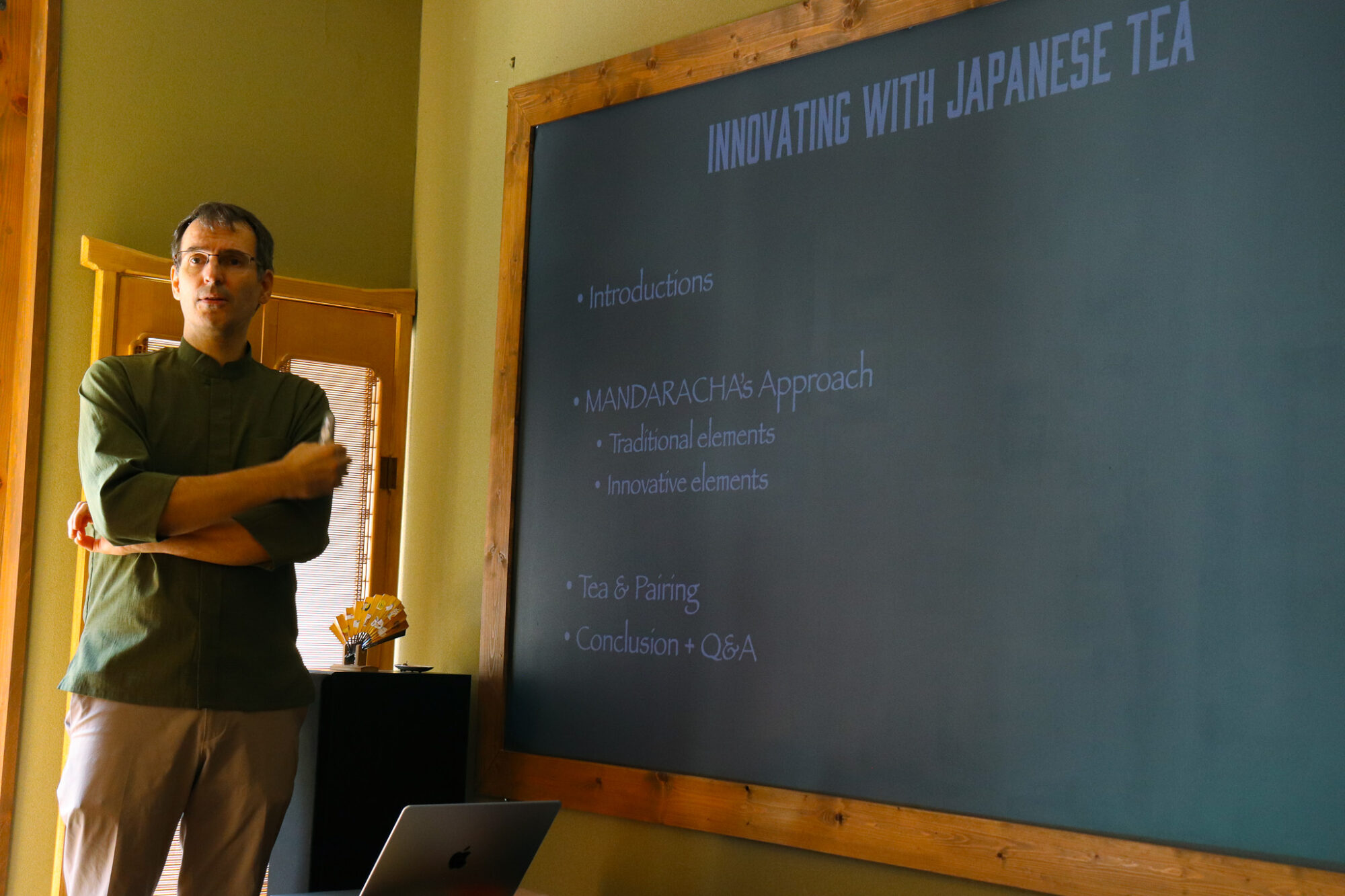
The owner, Alexandre Nicolau, gave an engaging presentation that ranged from his personal journey with tea and the history of the shop to the Japanese tea industry in general. It was particularly interesting to hear about their struggles with opening a tea house during the peak of the COVID-19 pandemic in October of 2020.
He also stressed the decline of home tea consumption in Japan and the rise of RTD bottled tea. This was a common theme throughout most of our studies. The goal of Mandaracha is to increase the value of Japanese teas while also creating a timeless business. Tsuen in Uji was presented as an example of several Japanese companies that have lasted for centuries.
After the presentation, we were served a black currant daifuku with chestnut filling alongside a cup of kabusecha. It was almost too beautiful to eat! The mochi was perfectly soft and chewy. Amazingly, it was made in-house by a staff member who has studied both pastry and wagashi making.

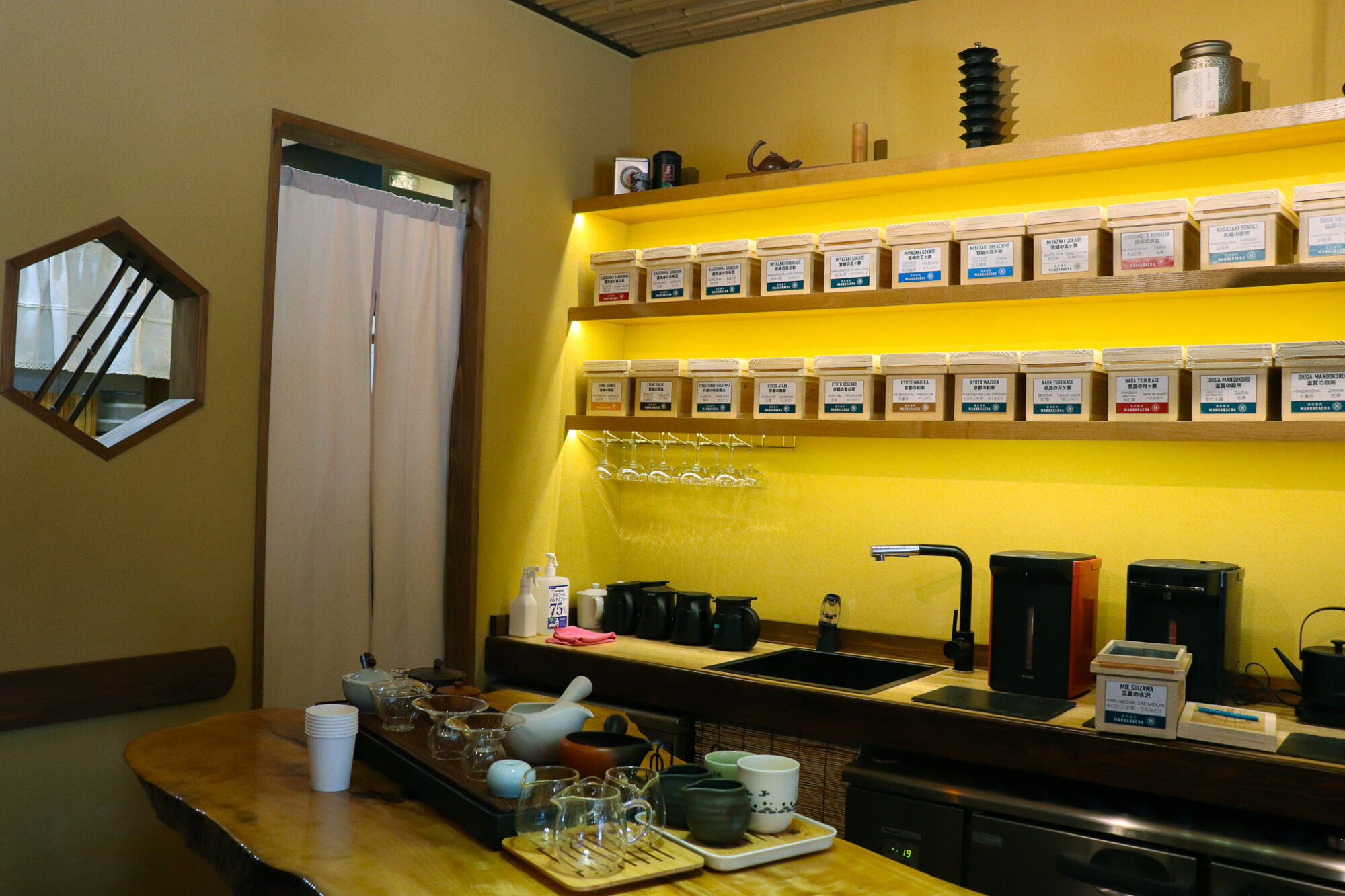
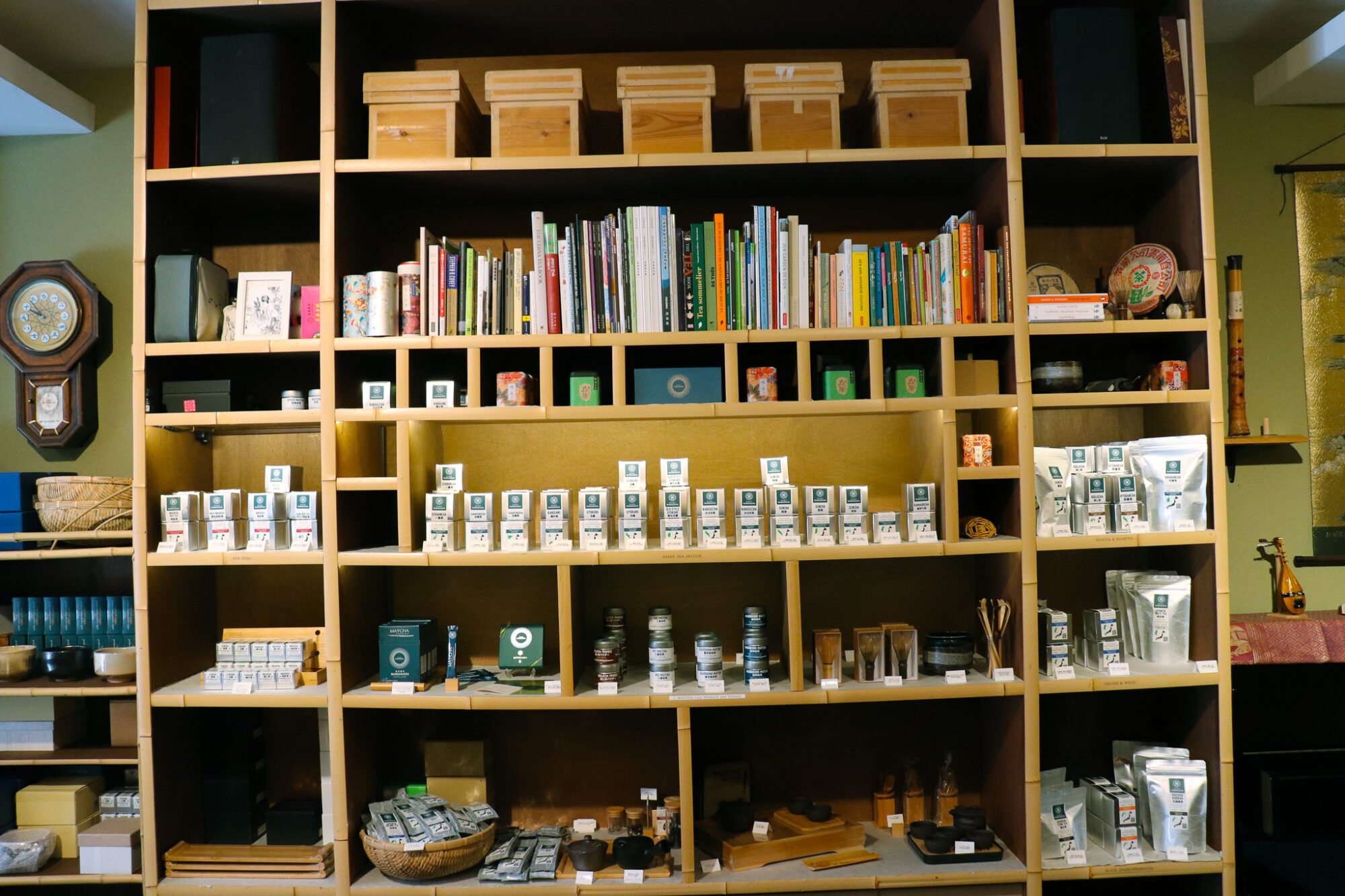
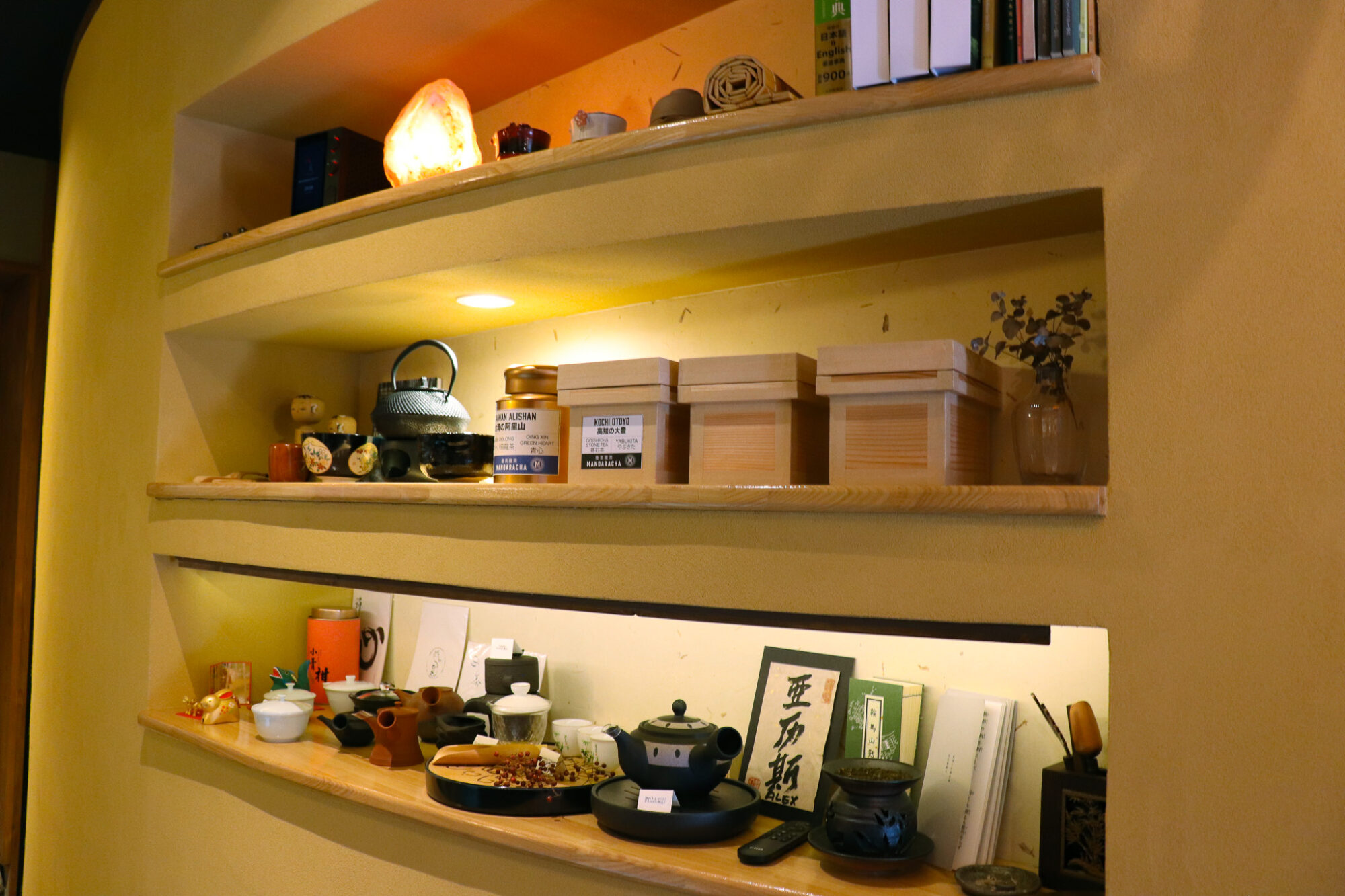
It was time to explore the shop and do some shopping. The tea bar shelves were lined with chabako, displaying colorful labels that listed detailed information about the teas in their collection. I was happy to see unusual choices like Japanese oolong and white teas. Across from the bar was a retail section with a variety of teas and teaware for sale. There was also a library of books and magazines. I did not purchase anything since I had already exceeded my budget for the week, but many of my classmates brought home treasures.
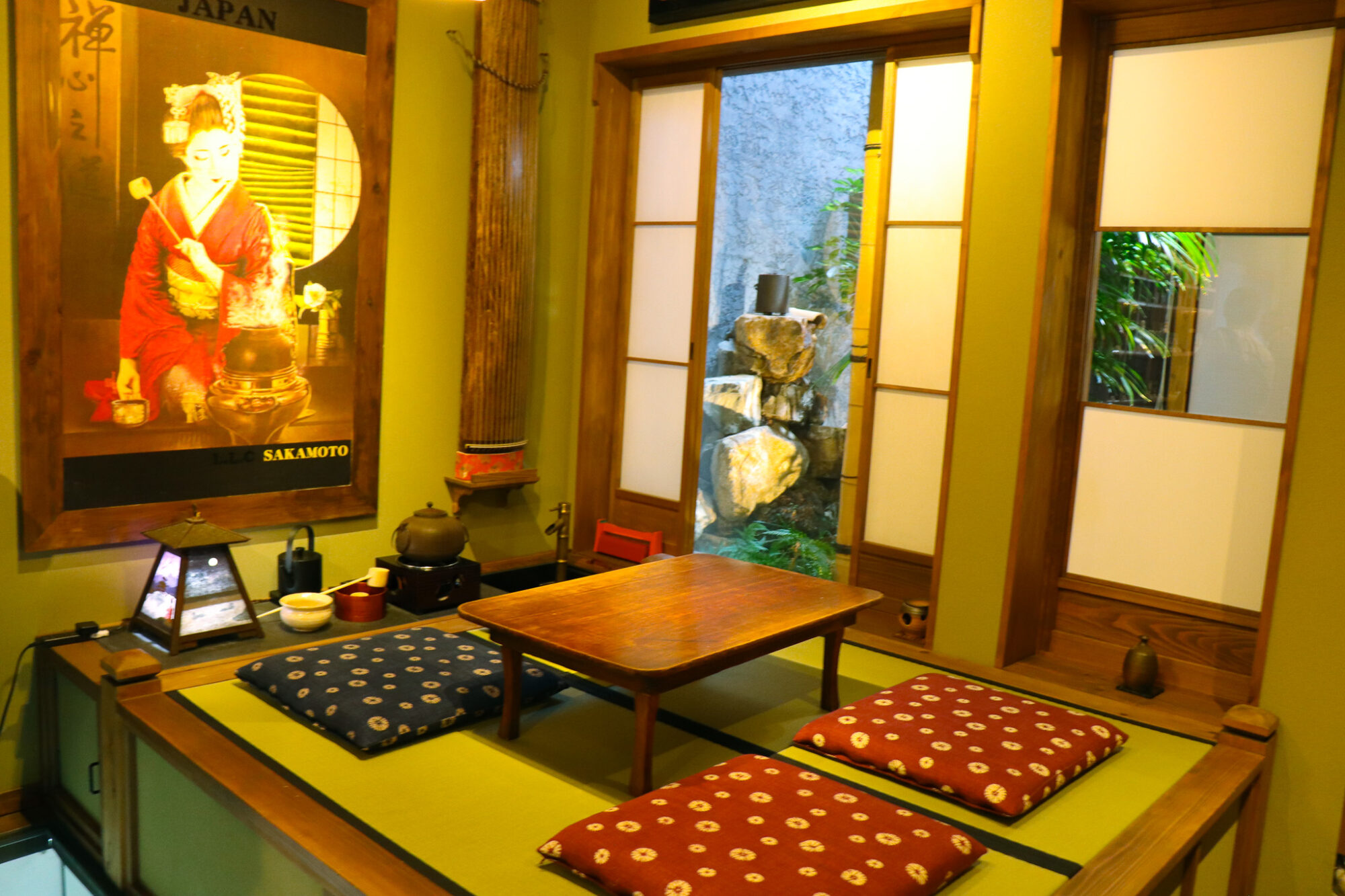
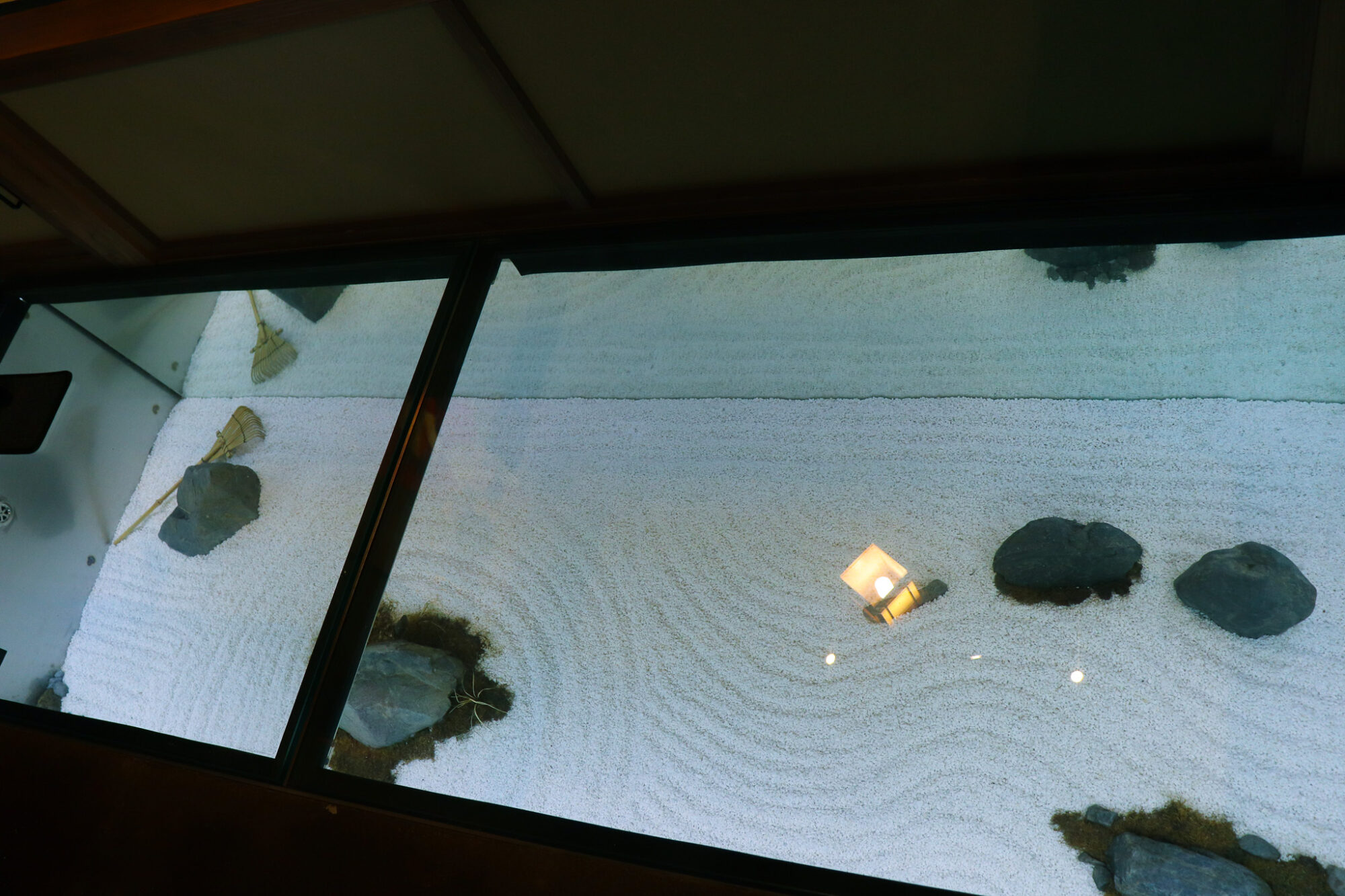
The back of the shop featured a charming tatami mat seating area with a window into a small garden. This was a feature I noticed in many shops and restaurants in Japan. There was also a unique karesansui-style garden sunken underneath the floor. It was covered by clear glass panels so you could walk right over it. I have never seen anything like it and thought this was such an interesting way to bring a bit of the outdoors in.
I had been following this shop on social media for some time, and I’m glad that I finally got to experience it in person. The owner and staff were all so friendly and welcoming. It was a great experience that I will remember for a long time.
Have you ever been to Mandarcha? What teas did you try? Let me know in the comments below!
Help Support This Site

Please support my work in tea by joining my Patreon community. Give what you can and receive access to exclusive behind-the-scenes content, my private Discord server, surprise quarterly packages, and more!