
I visited Bikouen as part of the itinerary for the Japanese Tea Master course with the Global Japanese Tea Association. It was located just a few blocks from my hotel in the Shimogyo Ward, so it was very easy to get to. In this post, I’ll share my experience visiting their shop, as well as the tea ceremony they offer.
About Bikouen
Bikuoen was founded in 1872 by Harumasa Hashimoto. The current owner, Kentaro Hashimoto, is the 5th generation of his family to run this tea shop. The small storefront sells matcha, loose-leaf teas, and a selection of tea utensils. They also offer Yabunouchi School tea ceremony experiences by reservation only.
Address: 235 Butsuguyacho, Shimogyo Ward, Kyoto, 600-8347
Hours: 10:00 am to 4:00 pm – Monday through Friday
Website: https://bikouen.com/
Specialty: Yabunouchi school tea ceremony experiences
I was eager to experience the Yabunouchi school tea ceremony and compare it to the merchant schools, such as Urasenke, with which I am more familiar. Kentaro let us know that he has been studying the tea ceremony for 30 years. The tea room was simple yet beautifully appointed at the same time. Carpeting around the edges of the tatami mat made it more comfortable to seat a larger group like ours.
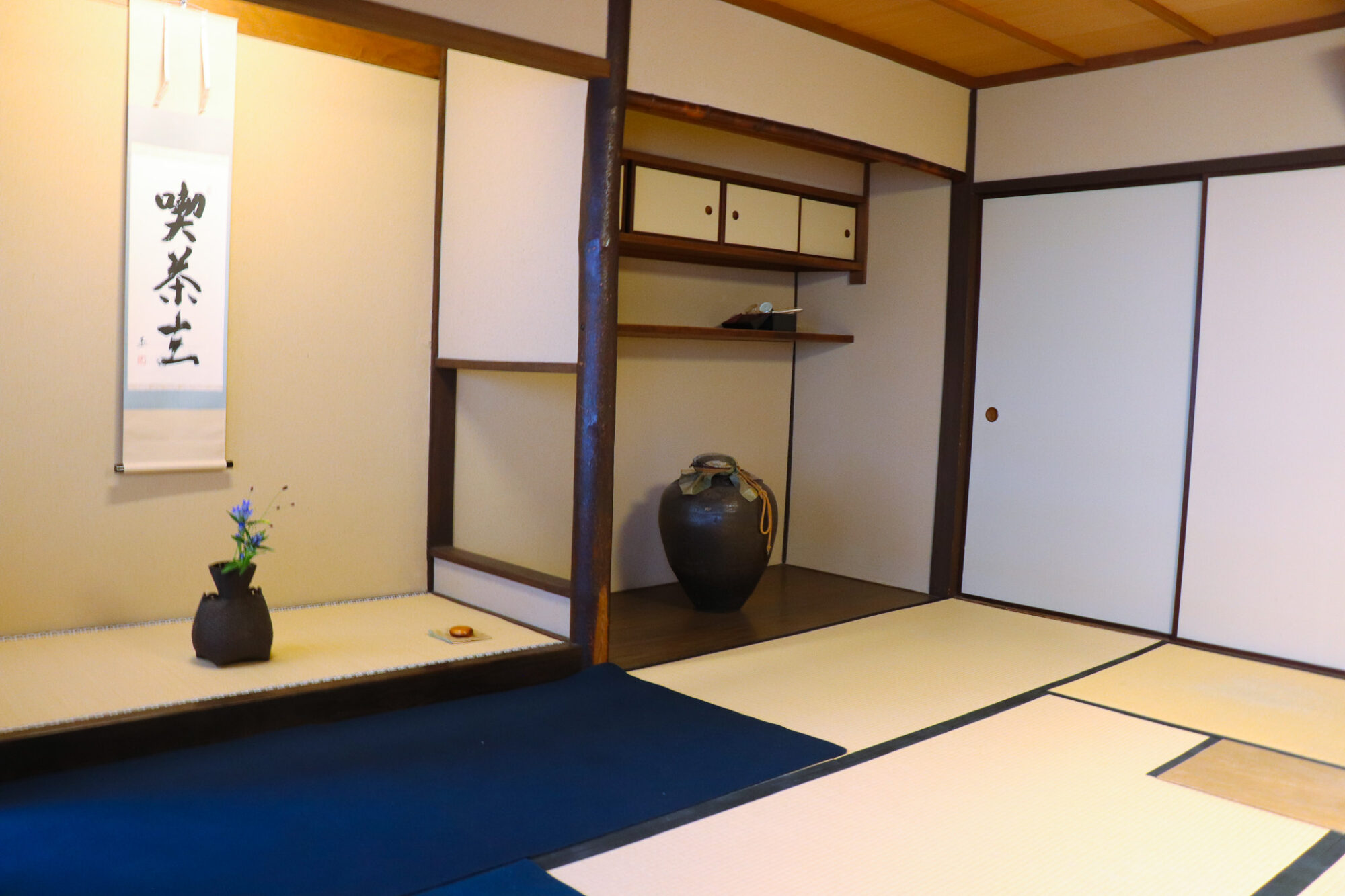
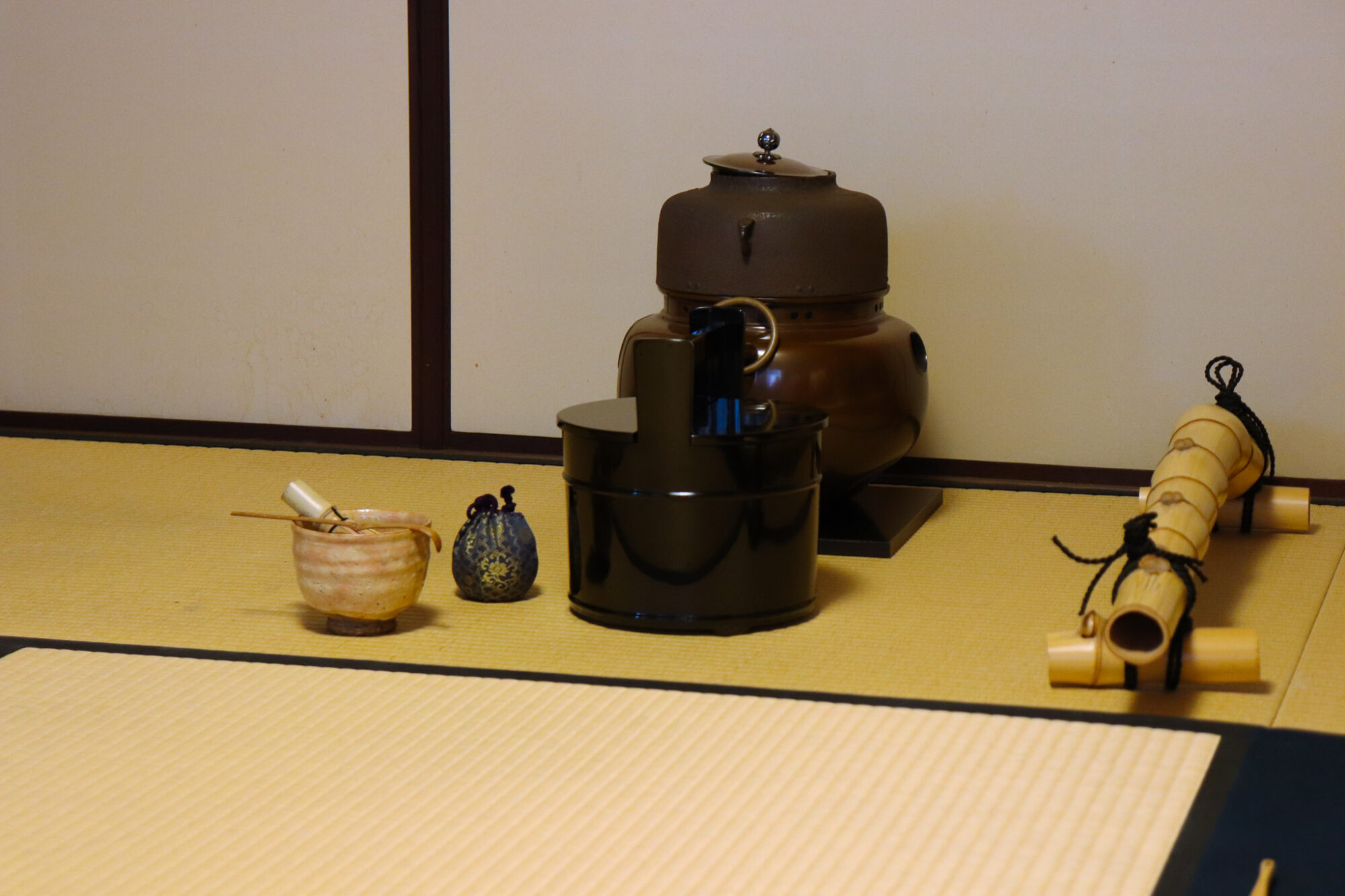
The founder of the Yabunochi school, Yabunouchi Kenchu Jochi, studied under Sen No Rikyu and Takeno Jouou. He also incorporated principles from Furuta Oribe when forming this style of tea ceremony. Warrior-style practitioners are typically men (but not always) and often use bigger movements than merchant-style schools. The fukusa is also worn on the right side to better accommodate wearing a sword.


The tea ceremony movements are so meditative to watch, even if seemingly nothing is happening yet. The ritual cleansing of all the utensils is an important part of showing the care that is taken when serving guests. Kentaro first prepared a thick bowl of koicha for each of us, which was served alongside a tasty wagashi. We were then each given the chance to assist in whisking our own bowl of ushucha. I usually drink matcha at home by myself, so it was a bit nerve-racking doing it in front of a tea master. The usucha was enjoyed with a sesame cracker.
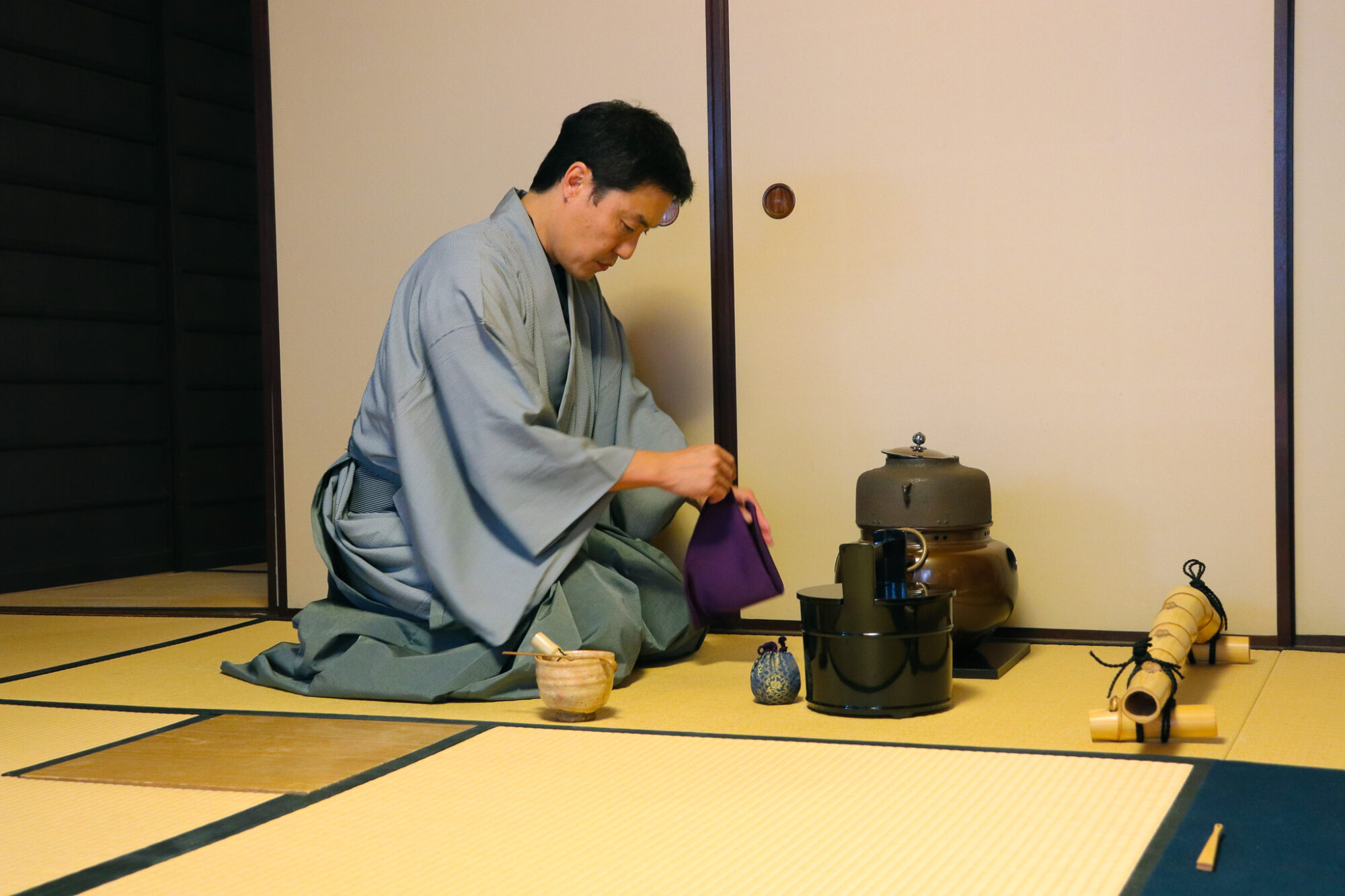
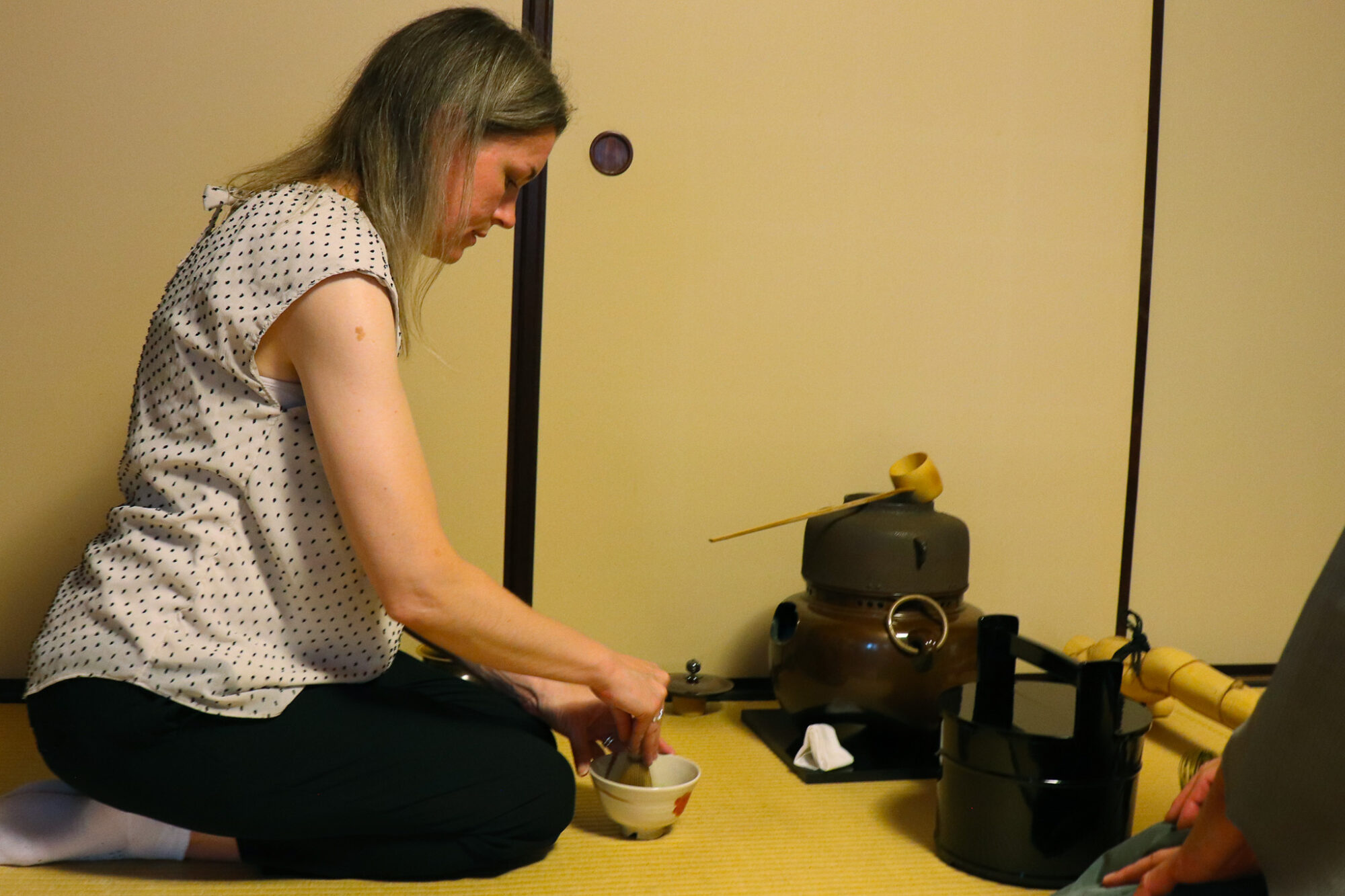
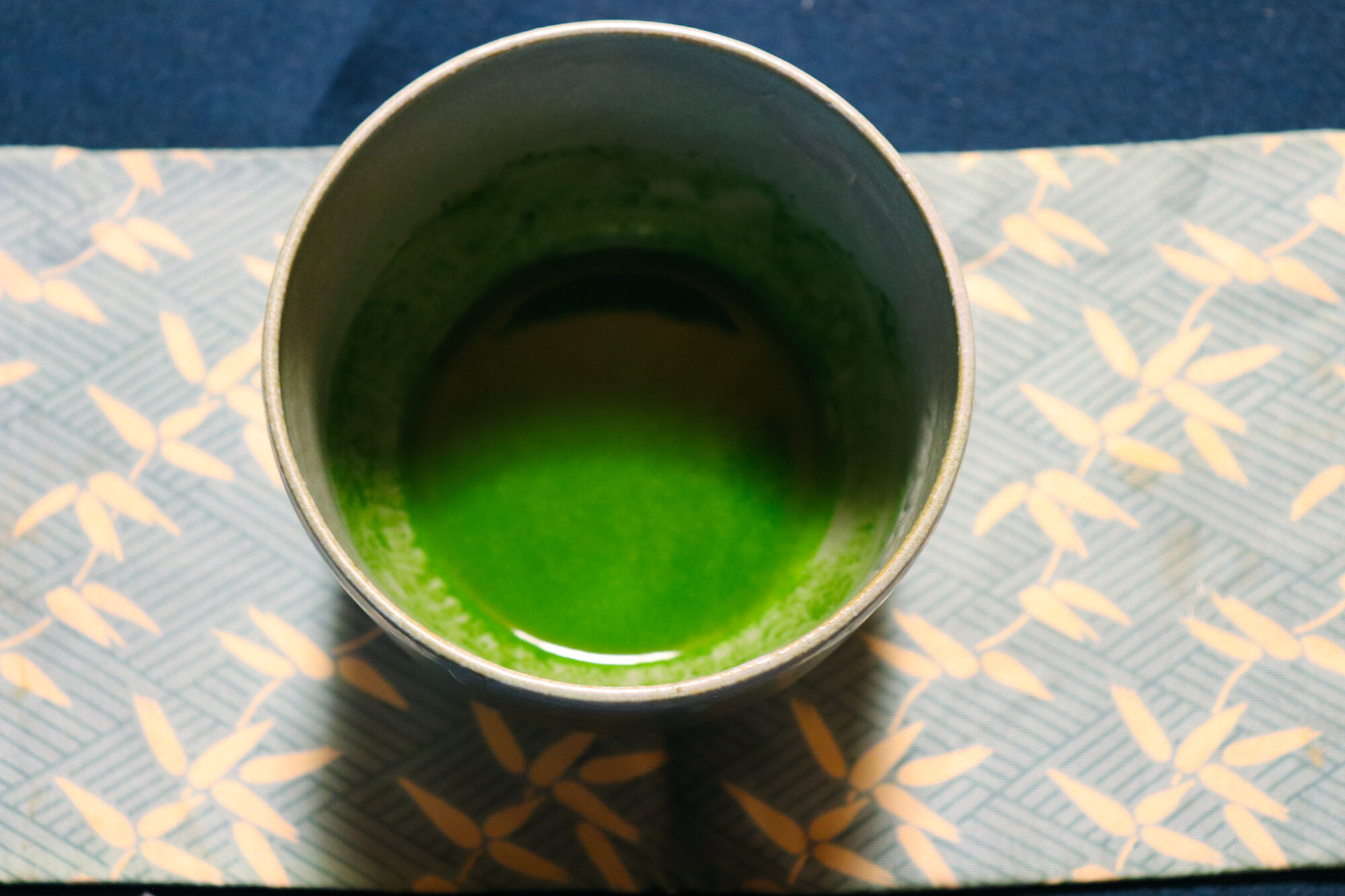

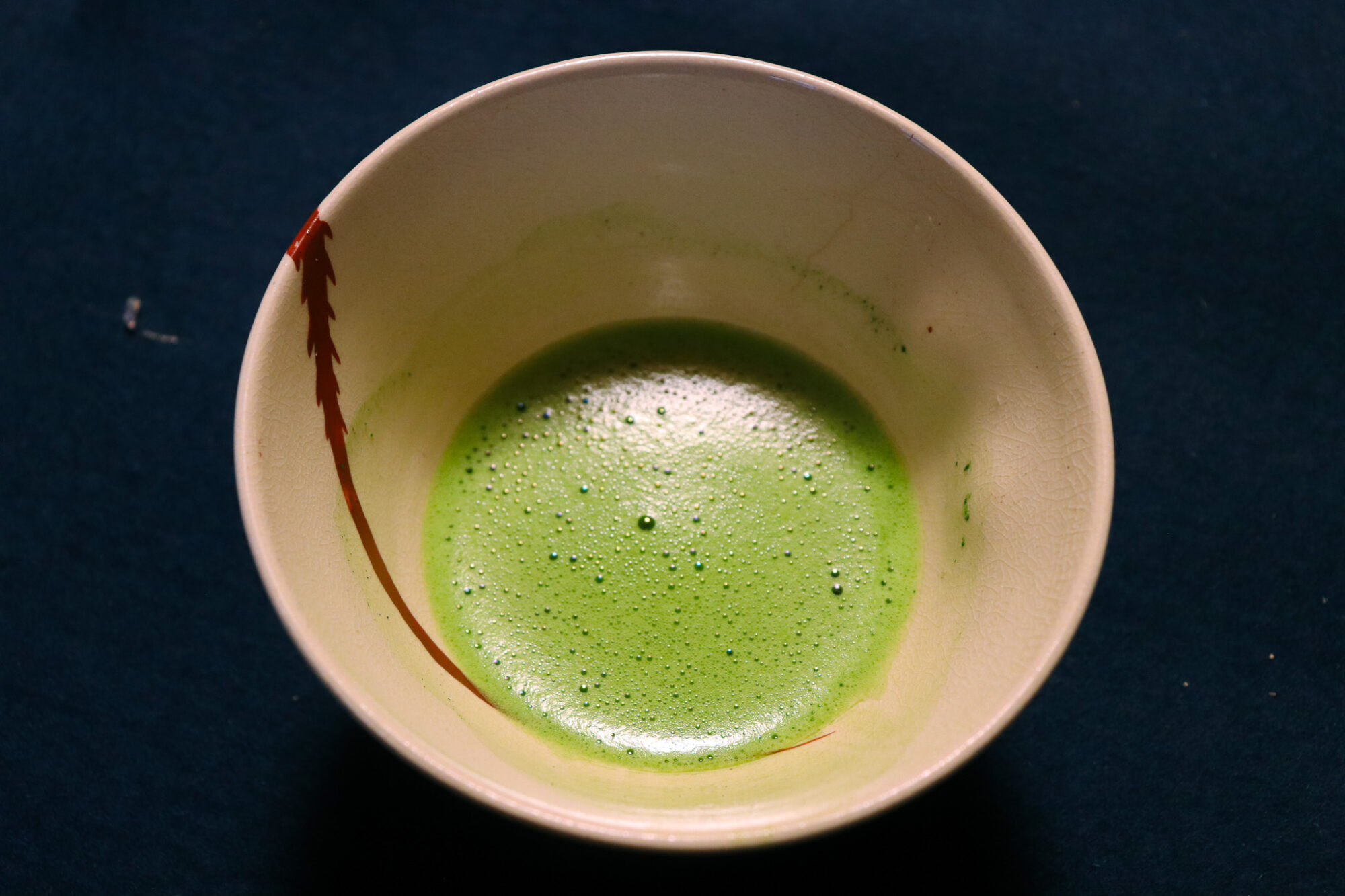
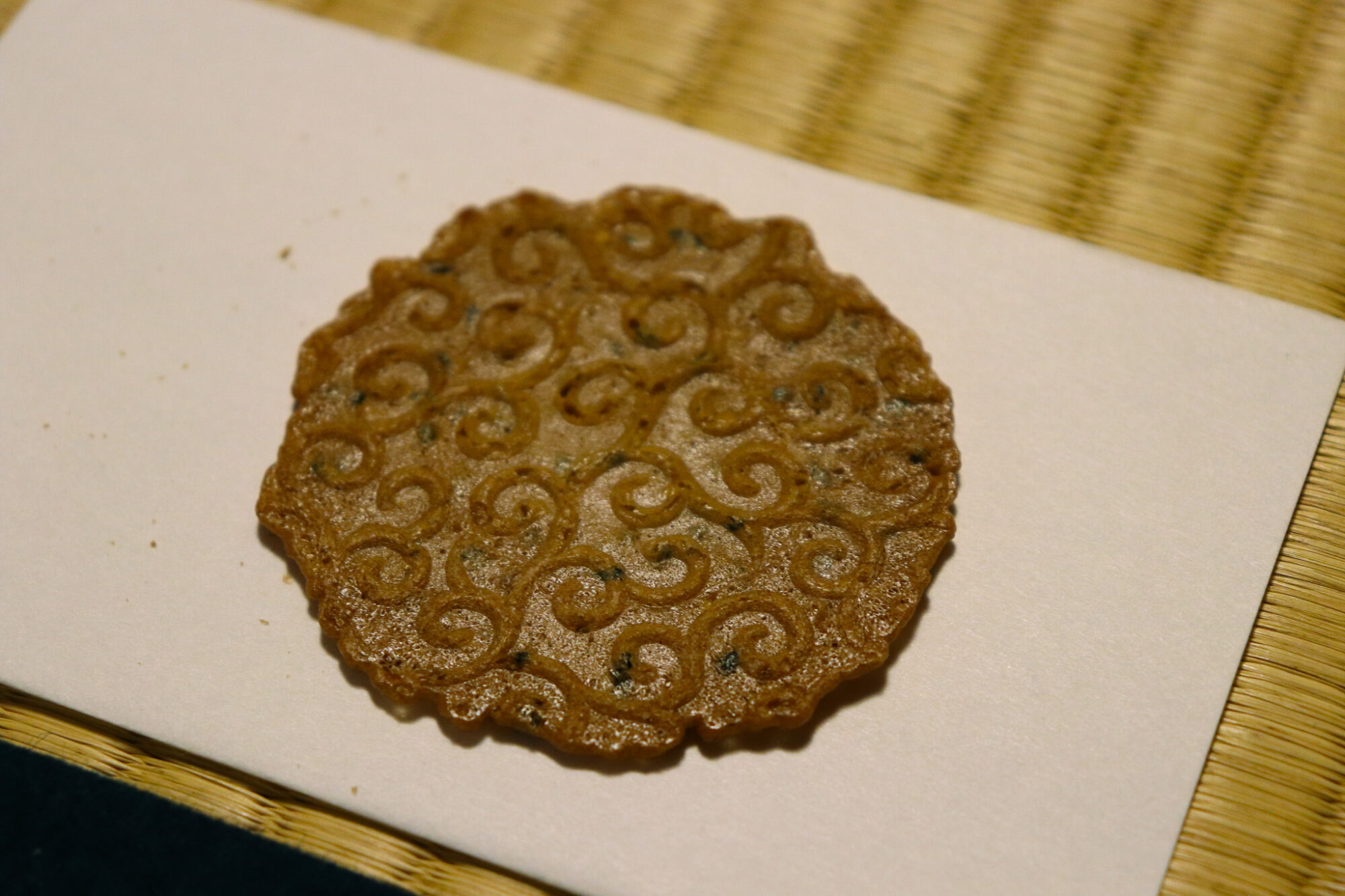
I really enjoyed this visit and would definitely recommend it. This is a beginner-friendly ceremony, so it would be a good one to bring along friends and family who are not familiar with tea ceremonies. Keep in mind that experiences at Bikouen are available by reservation only. You can book them ahead of time and review the different options through their website.
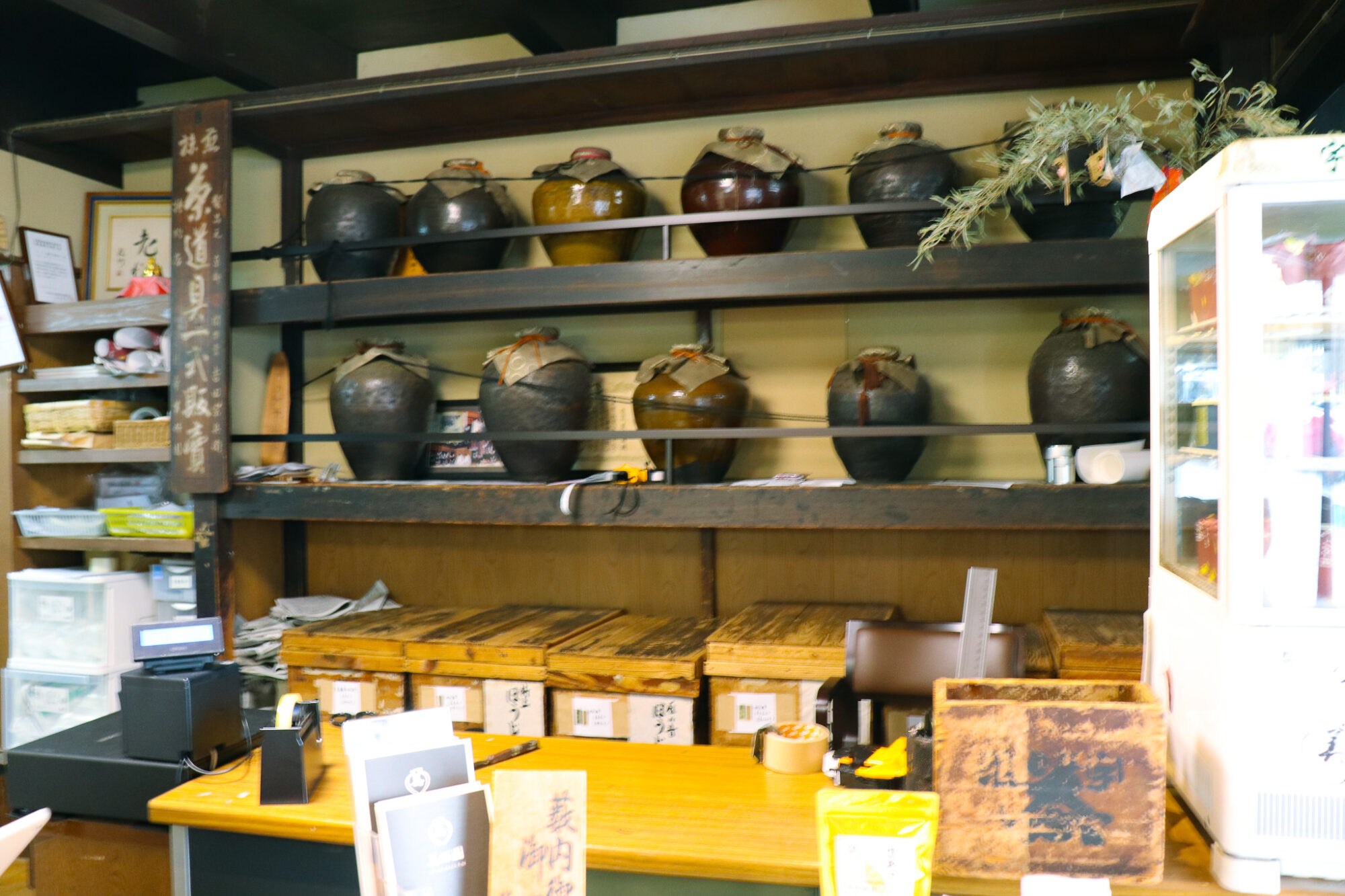
After the ceremony, it was time to check out their tea shop. You might have noticed that shopping was a bit of a theme on most stops for our group this trip. It was narrow, but I loved the anique feel of the chabako and wall lined with ceramic jars of tea. I purchased a tin of the Radiance matcha from their Master’s Selection and a small box of higashi. I have the matcha in cold storage since I’m working through my other purchases, but I know it is tasty because it was served as usucha during our ceremony experience.
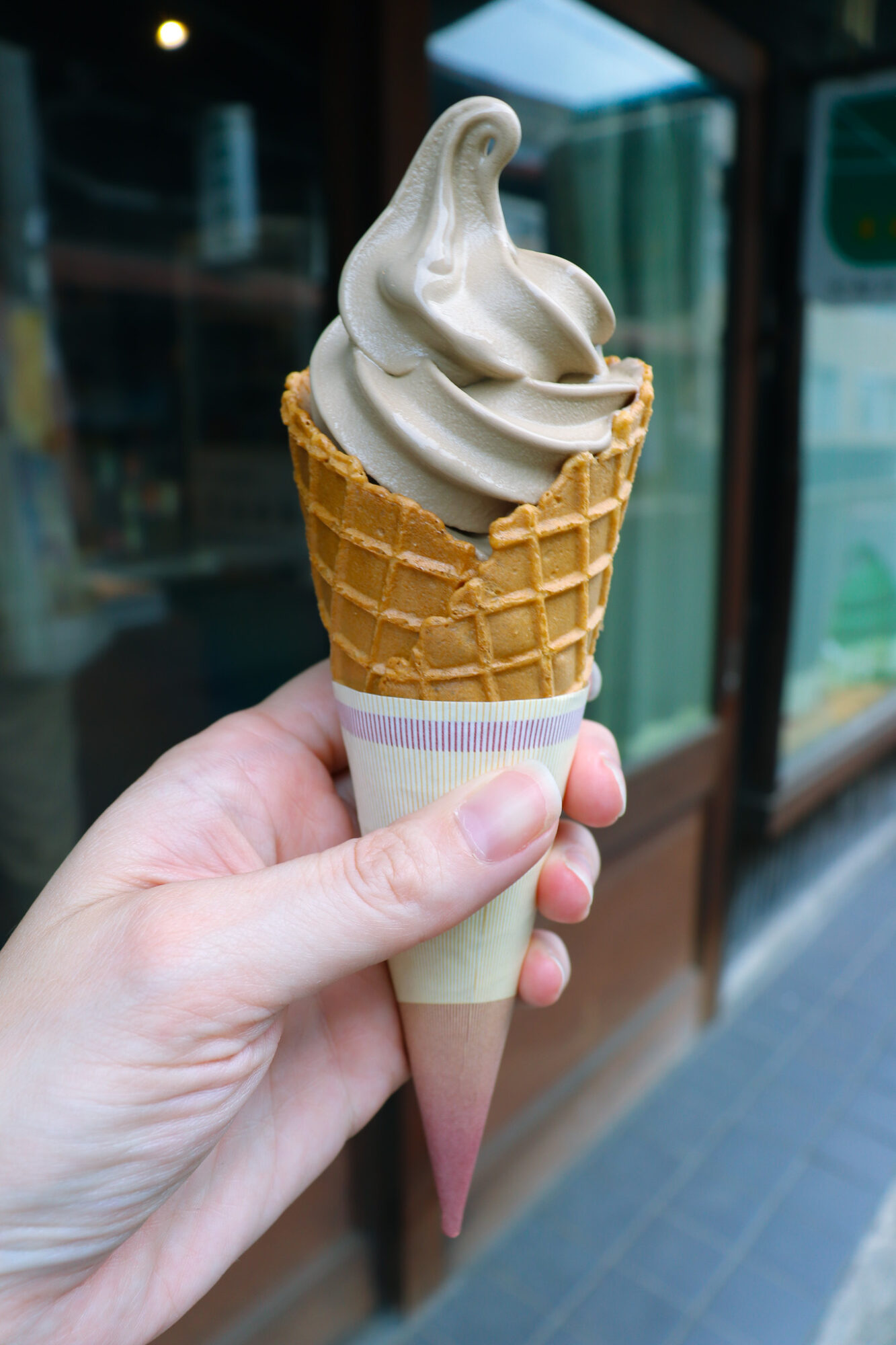
After the tea ceremony and some shopping, I enjoyed a refreshing cone of their hojicha soft serve ice cream. It really hit the spot on yet another extremely warm and humid day. The next time I visit Kyoto (and there will definitely be a next time), I would love to return for a full chaji.
Have you visited Bikouen or had any other tea ceremony experiences in Kyoto? I’d love to hear from you in the comments below!
Help Support This Site

Please support my work in tea by joining my Patreon community. Give what you can and receive access to exclusive behind-the-scenes content, my private Discord server, surprise quarterly packages, and more!