
Have you ever had a matcha that tasted great when you first bought it, but a little while later it tasted terrible? The way you store matcha was most likely the culprit! Here’s everything you need to know about the best way to store matcha, things to avoid, and how to tell if your tea is past its prime.
Does Matcha Green Tea Expire?
Like most tea, matcha does not “go bad” in a way that is harmful to us as long as it is stored well. It is relatively shelf-stable for 6-12 months in a sealed tin, especially since they are usually packaged with an oxygen absorber. However, you will definitely find that the taste is best within the first 3 months after opening the container. As time passes, the tea will start to lose its fresh, vegetal flavors and aroma. The color will also start to fade. Along with these will go the health benefits, like antioxidants, that many people turn to matcha for.
What is the Best Way to Store Matcha?
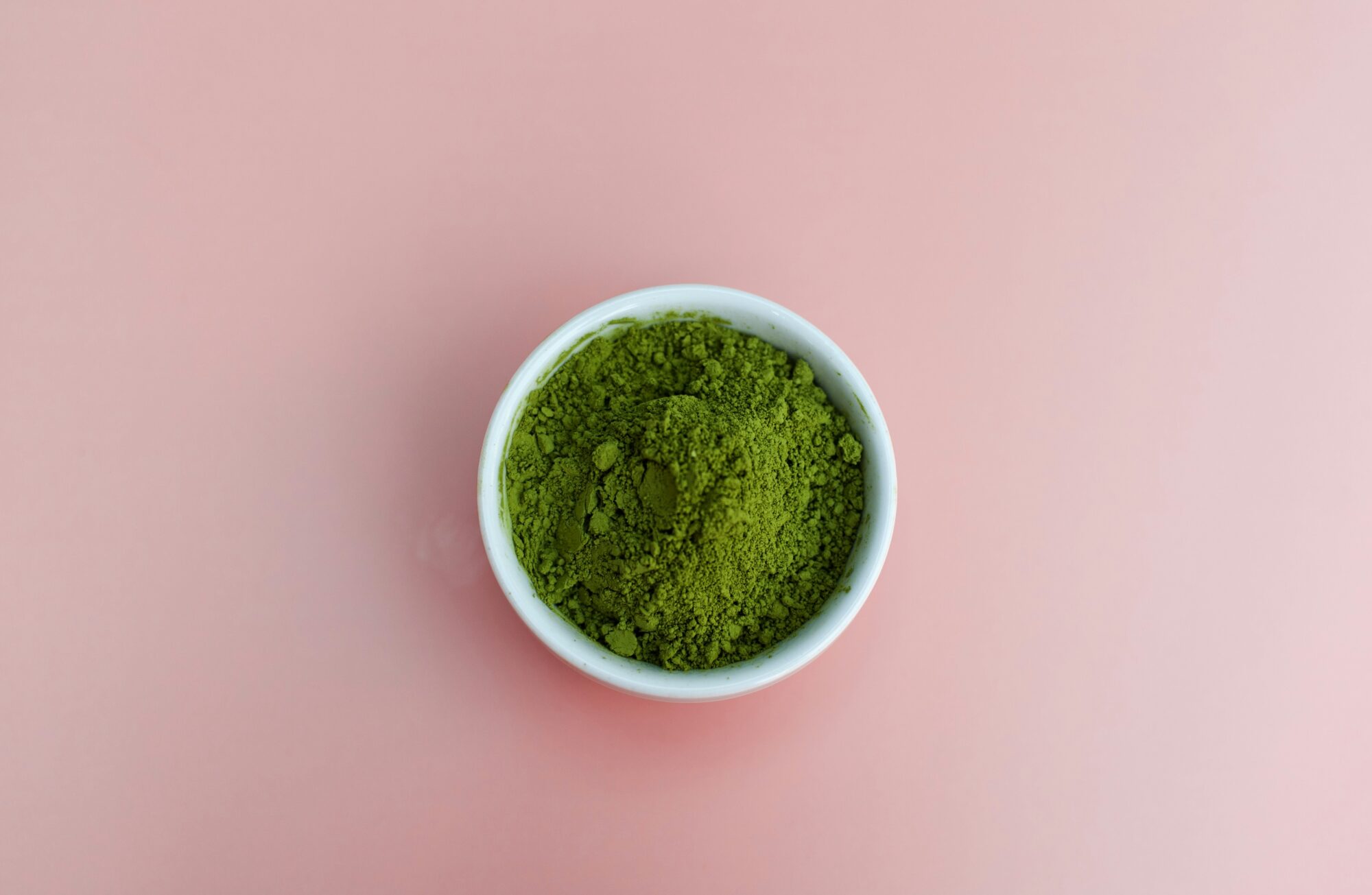
It’s best to store matcha in an airtight container away from heat, light, and moisture. The good news is that the tins matcha tea typically come packaged in will work perfectly. I find it is much less messy to dump the inner pouch out into the tin rather than awkwardly trying to scoop around the packaging.
Some matcha comes in zippered pouches. These can work too, but I find that the seal on this packaging type tends to fail more often. Cardboard tube packing is not recommended for long-term storage for the same reason. Use the smallest possible container if you are going to store matcha in your own vessel to reduce air exposure.
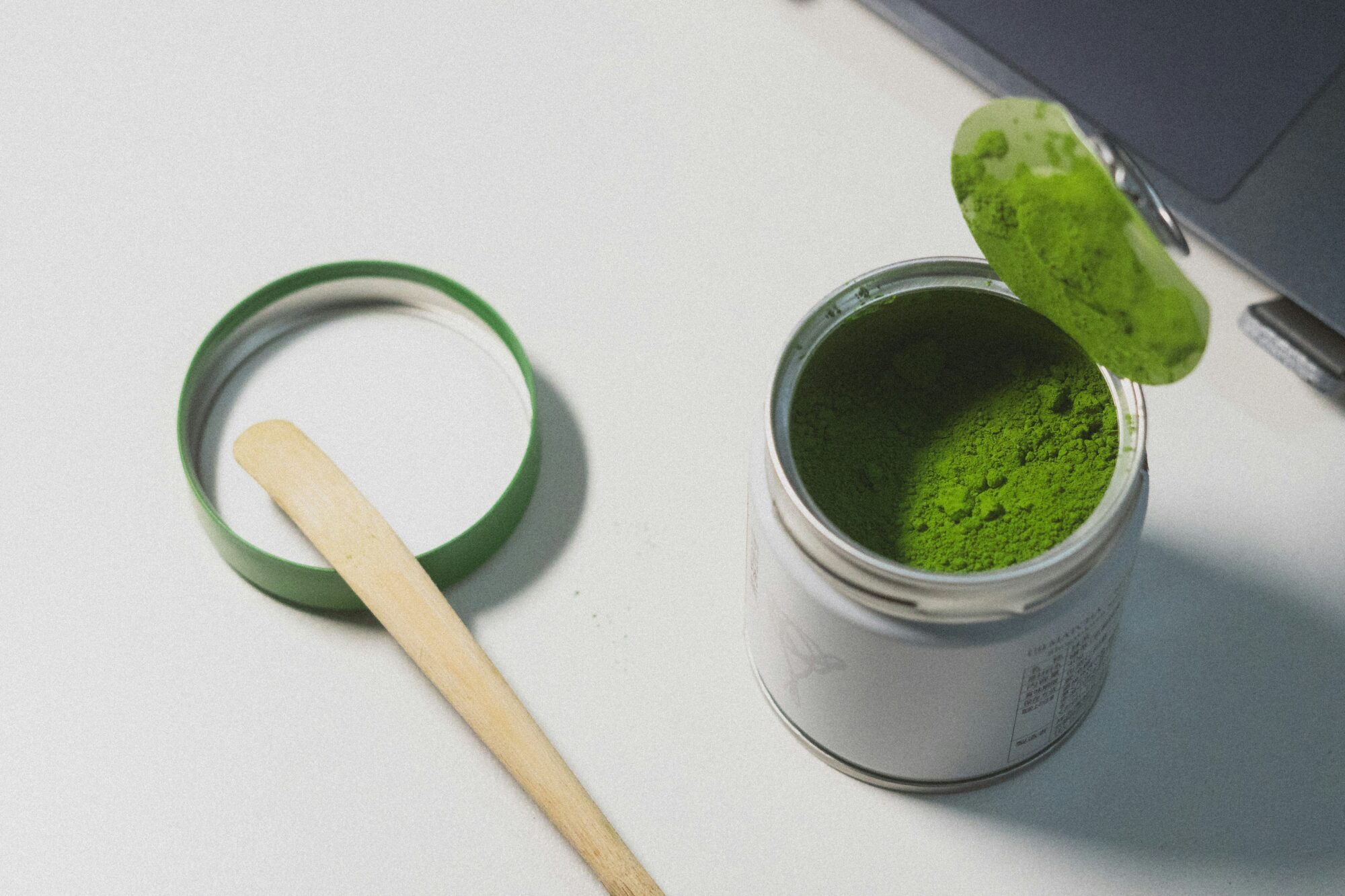
Refrigerating your matcha can definitely keep it fresher for longer. That’s how the large suppliers in Japan store it. For at-home use, you’ll want to take care to avoid food odors. Tea is very absorbent of the smells that are around it. I keep my matcha inside a food storage container in the fridge for this reason. You can freeze it if you have a very large quantity, but you run the risk of condensation forming when it defrosts.
Given what we know about matcha’s short shelf life, your best defense is to only buy as much as you can drink within a relatively short time frame. A 30g tin of matcha will make about 15 servings of usucha. Matcha haul videos are very popular on social media, but all I can think of is how much waste there will be when I see them come up in my feed. There’s still a matcha shortage going on, and hoarding will not help the situation for anyone.
Pro Tips for How to Store Matcha
- Only buy as much as you can drink within a relatively short time frame
- Store it in an airtight tin
- Keep it in the smallest container possible to avoid having too much air
- Refrigerate to keep it fresh for longer, but be cautious of food orders and condensation
What Makes Matcha Different From Loose Leaf Tea?
Matcha is different from loose-leaf tea in a few ways. The leaves are shaded for about 4-8 weeks before harvesting. They are then steamed to stop oxidation and dried. The stems and veins are removed, and the leaf particles left behind are cut into small pieces. At this stage, the tea is called tencha. It does not actually become matcha until the moment it is ground into a powder. This is usually done with a stone or ball mill.
Because matcha is a very fine powder, the surface area exposed to oxygen increases exponentially. The shelf life is even shorter than loose-leaf tea as a result. Even the best stored matcha will start to degrade as soon as you open the tin. Matcha is also negatively affected by heat, light, and moisture.
I snapped the picture below in a cafe I visited because it perfectly illustrated just how delicate matcha can be. Notice how the tea on the outside edge of the container has almost completely lost its color? The inner part still looks somewhat green, but it’s clear this tea is not very fresh at all.

Signs Your Matcha is Past Its Prime
Here are some ways to tell if your matcha isn’t as fresh as you’d like.
- Dusty appearance
- Color that is more gray or brown than green
- Musty odor
- Bitter or bland taste
- Watery froth when whisked
The images below show swatches of a fresh matcha and one that was open for over a year. The difference in appearance isn’t always this dramatic, but I think it gives a good idea of what matcha that is past its prime might look like. Unfortunately, there’s no going back once a tea has reached this point. I would recommend disposing of matcha that has passed its prime. You could try using it for an alternative purpose like a face mask, though!
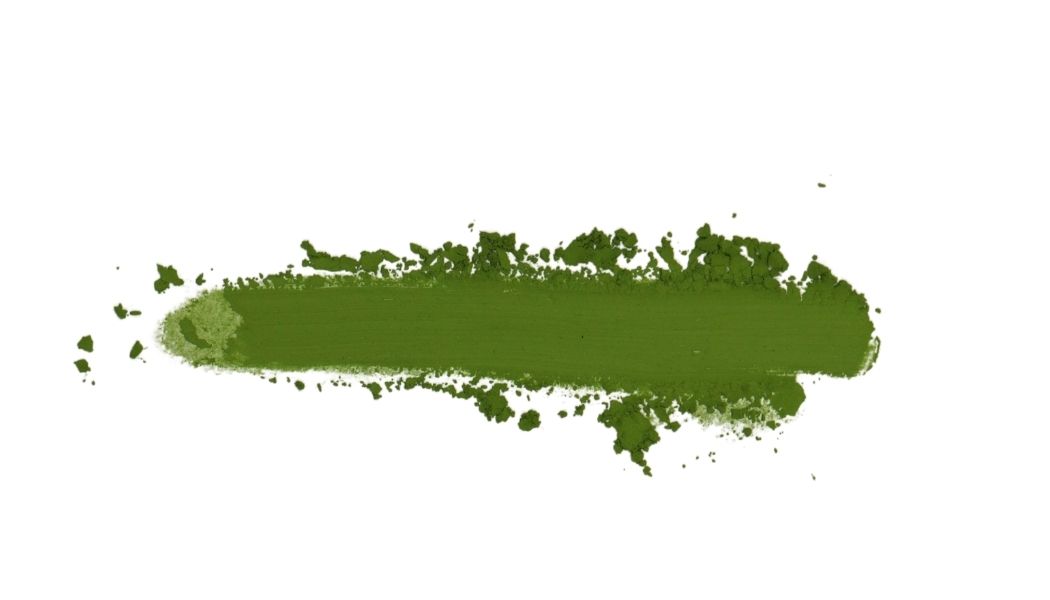
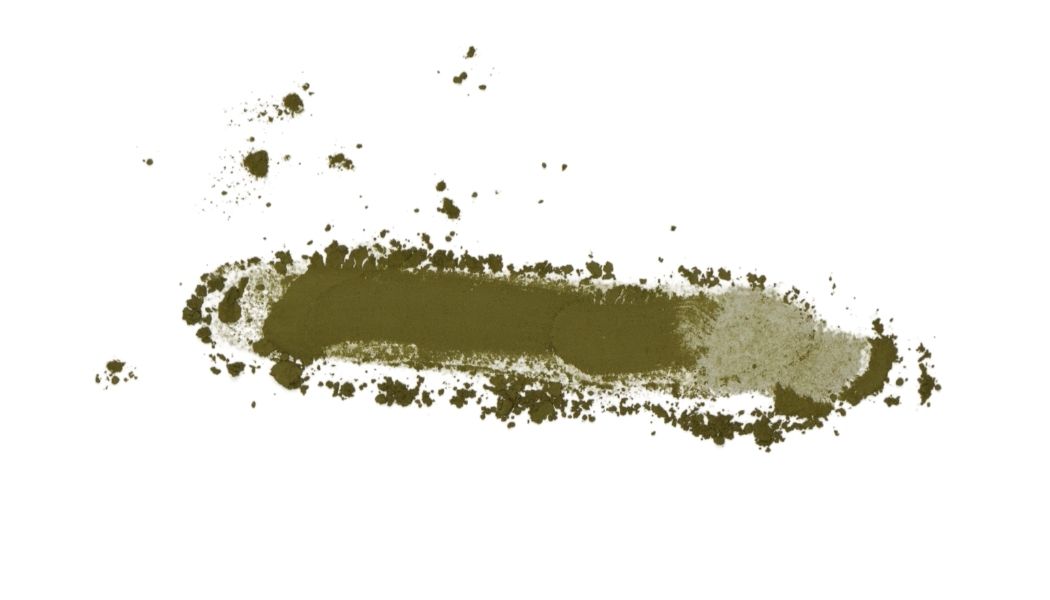
As you can see, the way you store matcha can have a big effect on its freshness! How do you keep your teas fresh at home? I’d love to hear from you in the comments below.
Pin It For Later
Join the Community

Please support my work in tea by joining my Patreon community. Give what you can and receive access to exclusive behind-the-scenes content, my private Discord server, surprise quarterly packages, and more!