
I often see posts on Reddit and other forums looking for suggestions of teas that can be substituted for coffee. While these beverages are very different, some options can serve as a good bridge between the two if needed. Here are 5 teas to try if you like coffee
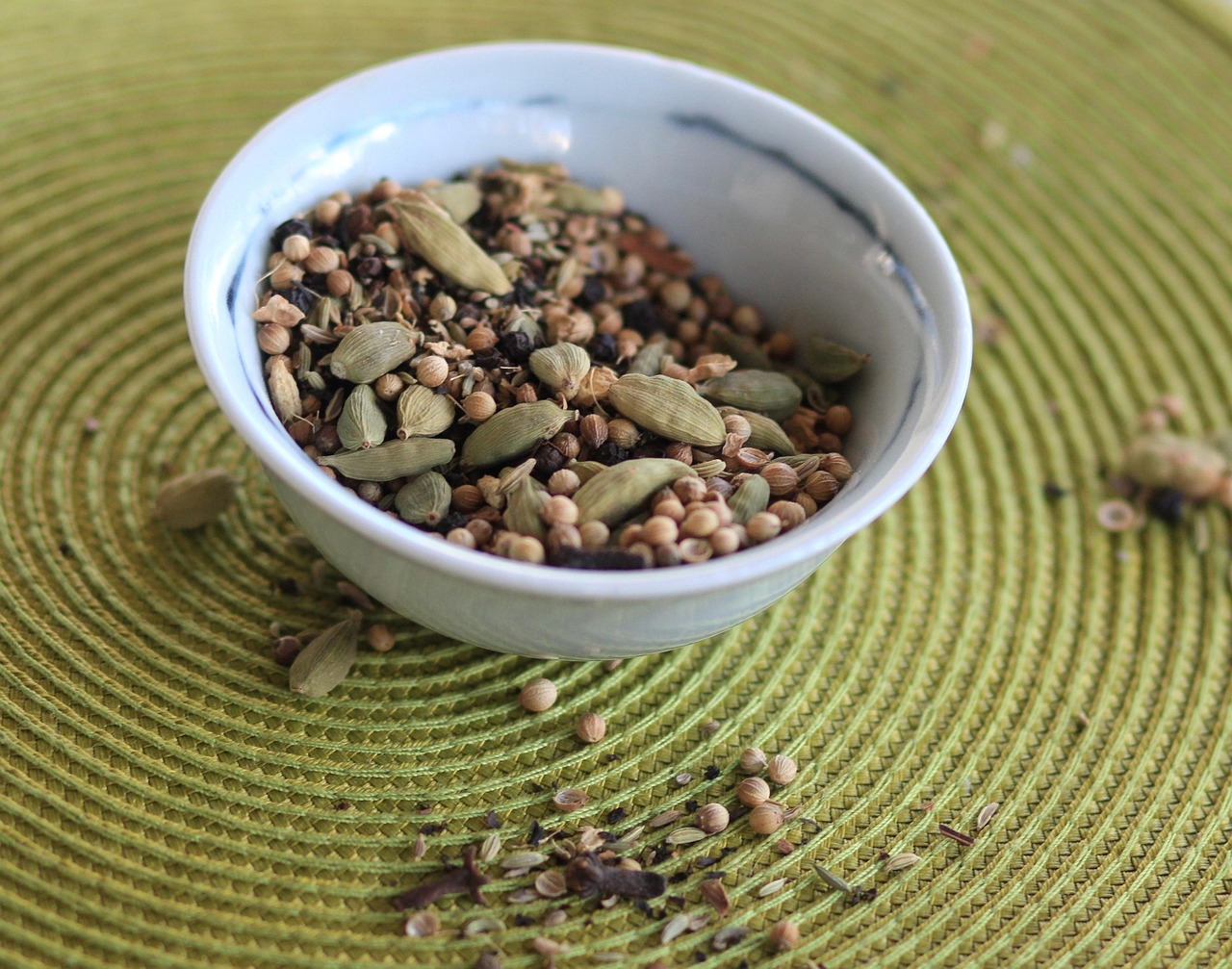
Masala Chai
You might associate chai with lattes, but it doesn’t have to be made that way. Masala Chai is a blend of CTC-style black tea with spices like cloves, cinnamon, cardamom, and ginger. The taste is bold, spicy, and warming. It’s one of my go-to teas during the winter. Masala Chai can easily be found in tea bags or loose-leaf formats. You can also have fun blending your own using whole spices that you already have in the cabinet. Use fully boiling water and steep for 3-5 minutes. Sugar and milk can be added to taste since Masala Chai has enough strength to stand up to them.
Pro Tip: Chai means tea in Hindi and many other languages. Technically speaking, it’s incorrect to call it chai tea, because you’d effectively be calling it tea tea. Masala Chai makes it clear that you are referring to tea with spices.
Breakfast Blends
Another tea option that works well for those who are used to drinking coffee is breakfast blends. These are usually made using black teas from Assam, Sri Lanka, Keemun, and Kenya, which are designed to have a brisker taste to help start the day. Every tea company’s blend will be slightly different. Part of the fun is trying a few to see which one you prefer. Breakfast blends can typically be enjoyed with or without milk and sugar. Use water that is 195-212℉ and steep for 3-5 minutes.
Shou Puerh
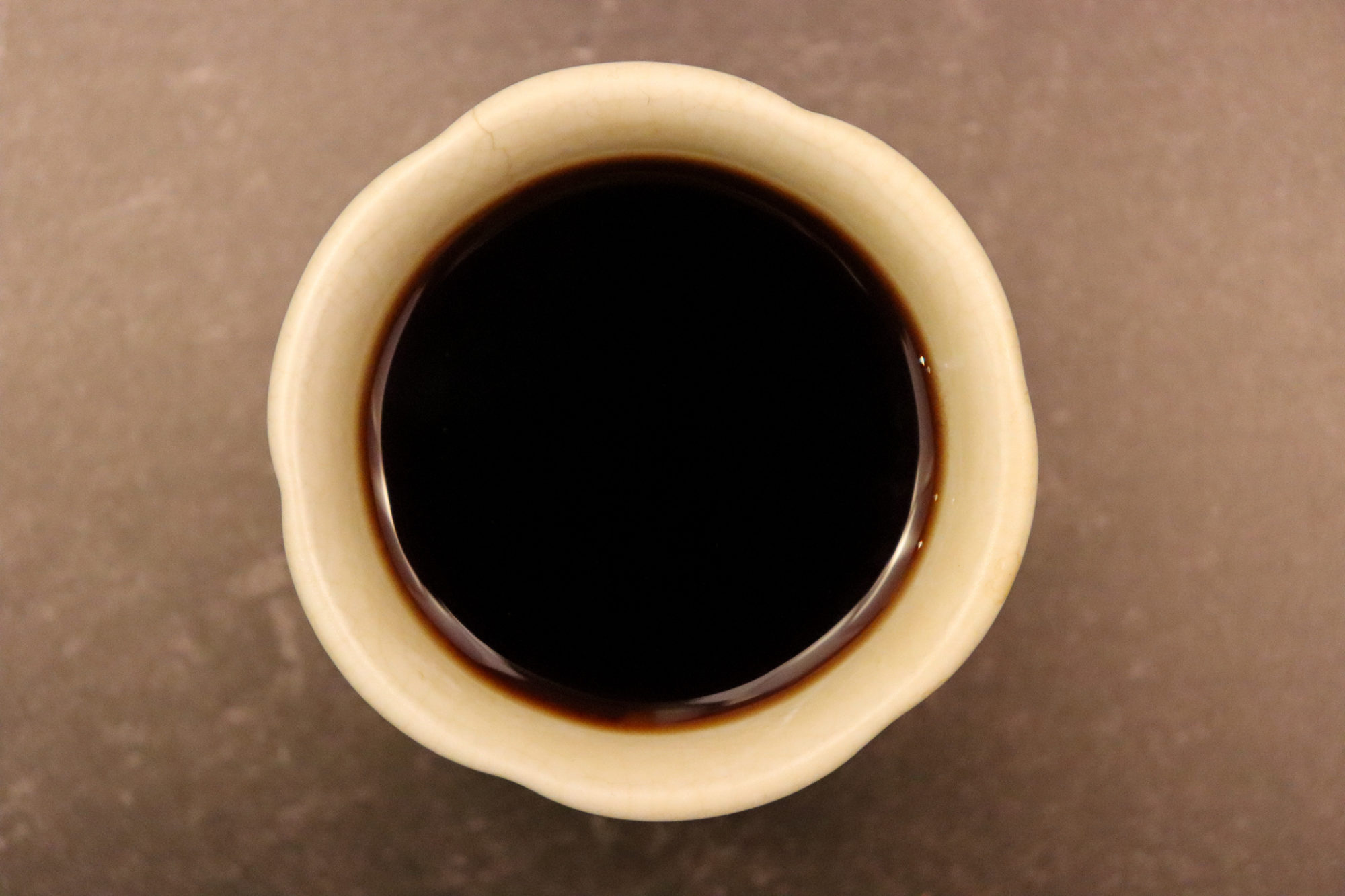
Shou, or cooked puerh, tea leaves are fermented during processing. This gives them an earthy, woody taste with an inky dark infusion. Shou puerh is typically compressed into large flat cakes, but loose-leaf options are also available. Companies like White2Tea and Crimson Lotus Tea also offer dragon balls, which are a smaller single-serving format. This tea is well-suited to gongfu-style brewing, but you can also easily brew it in a mug with a strainer. Use fully boiling water and a steep time of 5 minutes.
Hojicha
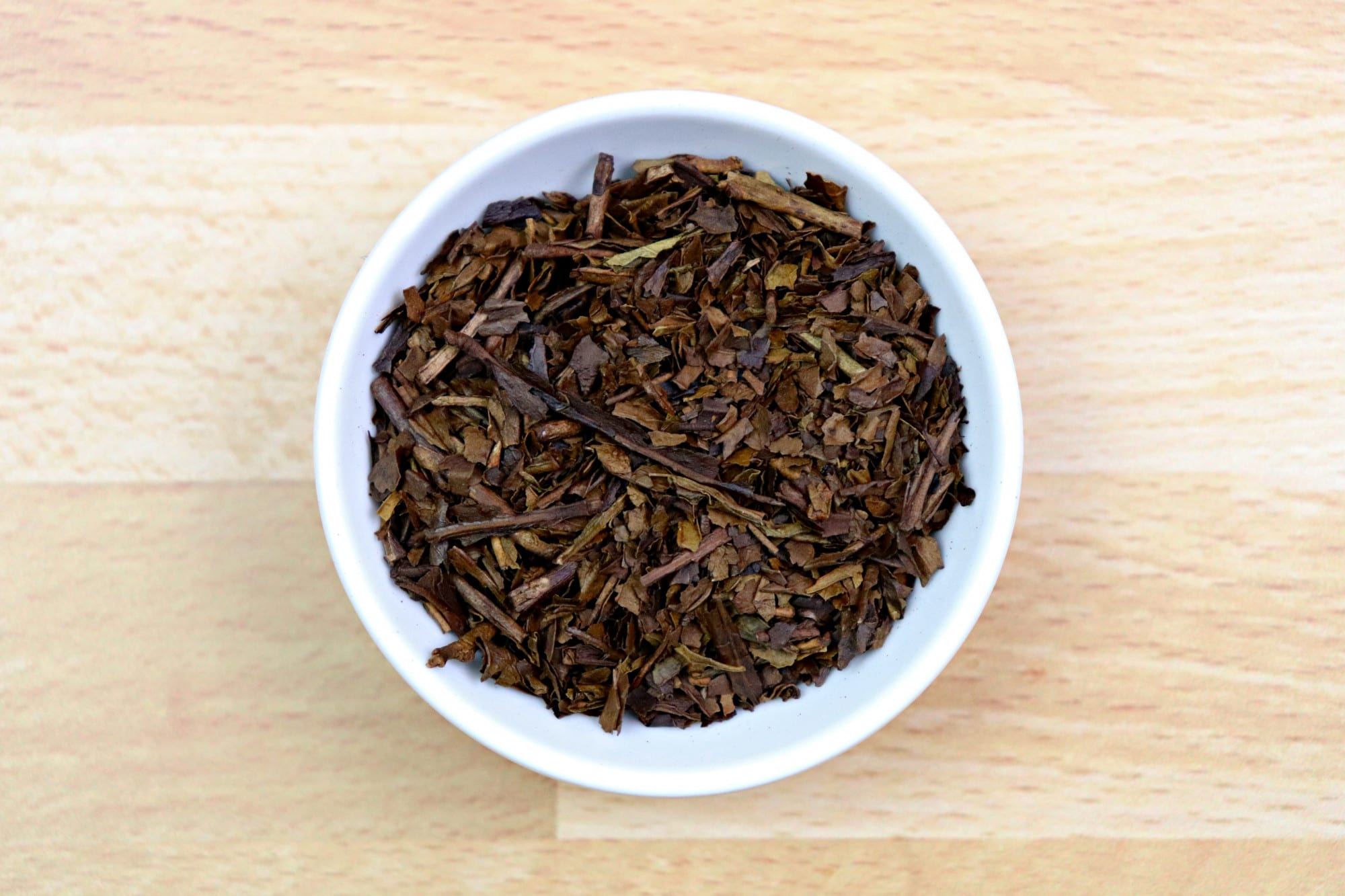
Hojicha is a style of roasted green tea from Japan. It is commonly made from stems and later-harvest leaves, which results in lower caffeine content. The taste is sweet, nutty, and slightly smoky. Each producer will vary slightly, so you can find hojicha ranging from lightly to heavily roasted. Hojicha Co. is a great place to buy from if you’d like to try different options. Brew this tea with cooler water (about 175℉) and a steep time of 1 to 3 minutes.
Yancha
Yancha refers to a style of oolong tea produced in the Wuyi Mountains in China’s Fujian Province. They are typically high oxidation teas with charcoal-roasting as a final processing step. The taste is deeply mineral with robust notes of nuts and baking spices. Wuyi oolongs tend to be a bit more finicky, so I recommend waiting to try them until you’re familiar with gongfu-style brewing. Yancha is also among the more expensive teas in the world. Fully boiling water is best with infusion times ranging from 10 to 30 seconds.
Why I don’t think matcha is a good coffee alternative
Matcha is often the default recommendation when it comes to alternatives to coffee. Perhaps it is because they’re both commonly served in cafes. However, I think the two beverages taste way too different for someone to easily make that leap. I love the fresh, vegetal umami of matcha, but it can be an acquired taste for someone who is used to the more chocolatey, nutty flavors of coffee.
What teas would you recommend to someone looking to replace coffee? I’d love to hear from you in the comments below!
Join the Community

Please support my work in tea by joining my Patreon community. For $2-$5 a month, you’ll receive access to exclusive behind-the-scenes content, my private Discord server, surprise quarterly packages, and more!