
Have you ever noticed tiny hairs floating in your brewed tea or lining the inside of the storage tin? Those are trichomes! Finding hair in your tea might sound off-putting, but it is actually a very good thing. In this post, I’ll take a deeper look at what trichomes are and what they mean for tea.
What are trichomes?
Trichomes are small hair-like epidermal structures found on the leaves and stems of many plant species, including the tea plant (Camellia Sinensis) and cannabis. The name comes from the Greek word tríchōma (τρίχωμα), which means “growth of hair”. They serve a variety of functions in both protecting the plant and contributing to its aroma. Here are just some of the roles that trichomes play on tea plants:
- Physical barrier protecting against herbivore and insect attacks
- Reflecting high light and UV-B radiation
- Responding to drought, high temperature, and cold stresses
- Prevent fungal and microbial infection
- Aroma and mouthfeel
The trichomes on some plants can be irritating to the skin. Tea typically isn’t, but I can tell you that repacking pounds of Silver Needle white tea can leave your hands quite itchy afterward.
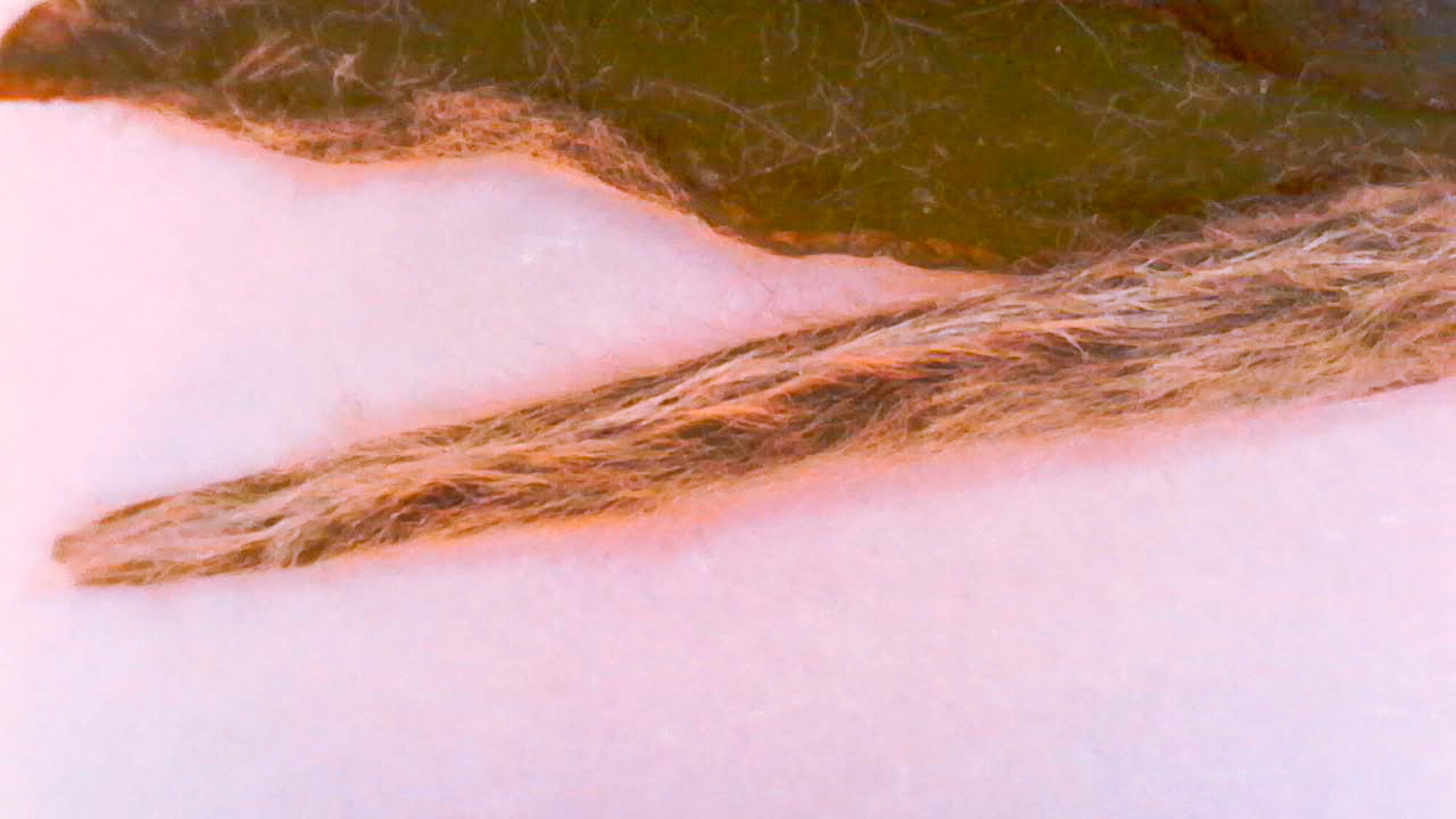
How do trichomes affect the flavor of tea?
Have you ever noticed that some teas have a softer, rounder texture than others? Trichomes are responsible for that. The next time you brew a white tea, pour it into two cups. Use a mesh filter for one and not the other. Some trichomes might slip through, but you’ll notice a distinct difference in how the two cups feel when you drink them.
Trichomes also contribute volatile aromatics, amino acids, and catechins. They are responsible for the fruity and floral aromas that we associate with white tea. Trans-β-Ionone gives the impression of violet, while β-Damascone reminds us of roses. Linalool has a floral scent with citrus and woody notes. Hexadienal has a pungent green citrus aroma. You will find that these compounds are all commonly used in perfumery. Trichomes also enhance umami while reducing bitterness and astringency.

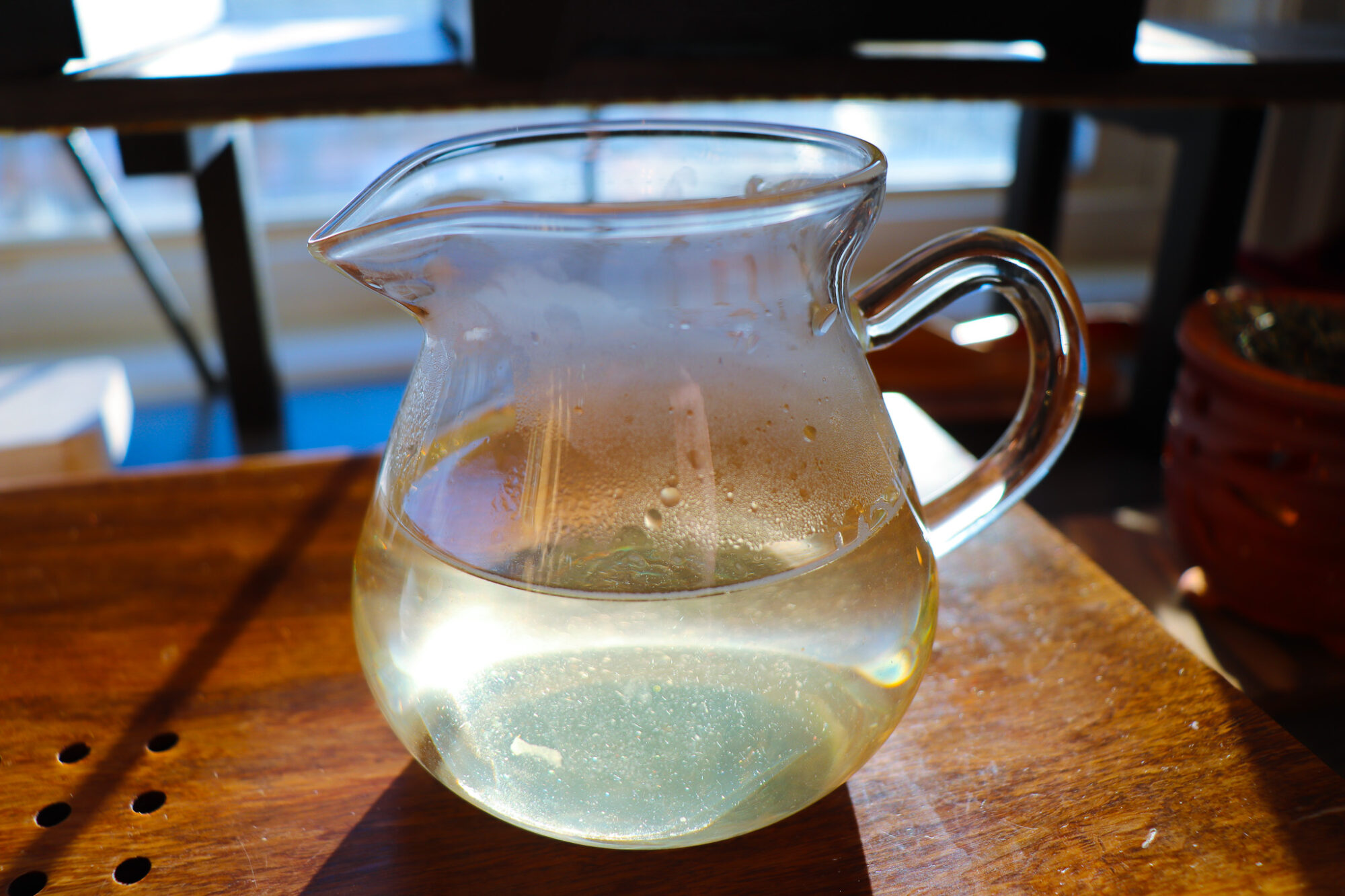
Another fun experiment to try is brewing trichomes directly without any leaves. The clumps found in Dragonwell green tea are handy for this. You’ll find that the taste is very mild but incredibly sweet.
Why are they important for tea quality?
The highest quality teas, with a few exceptions, are made from the apical buds and young leaves of the tea plant. That means that they are more likely to have a higher concentration of trichomes. More mature leaves will have less because they are not as susceptible to environmental damage.
You can think of these protective hairs as a visual indicator, among many other factors, that can tell us information about how a particular tea was made. It’s important to keep in mind that this does not necessarily guarantee the actual quality of the tea, though.
Some teas, like Jin Jun Mei, can have an overemphasis on the look of the leaves rather than the taste. I’ve also heard rumors of clumps of trichomes being mixed into Dragonwell to give the appearance of being better than it actually is.
Which teas have the most trichomes?
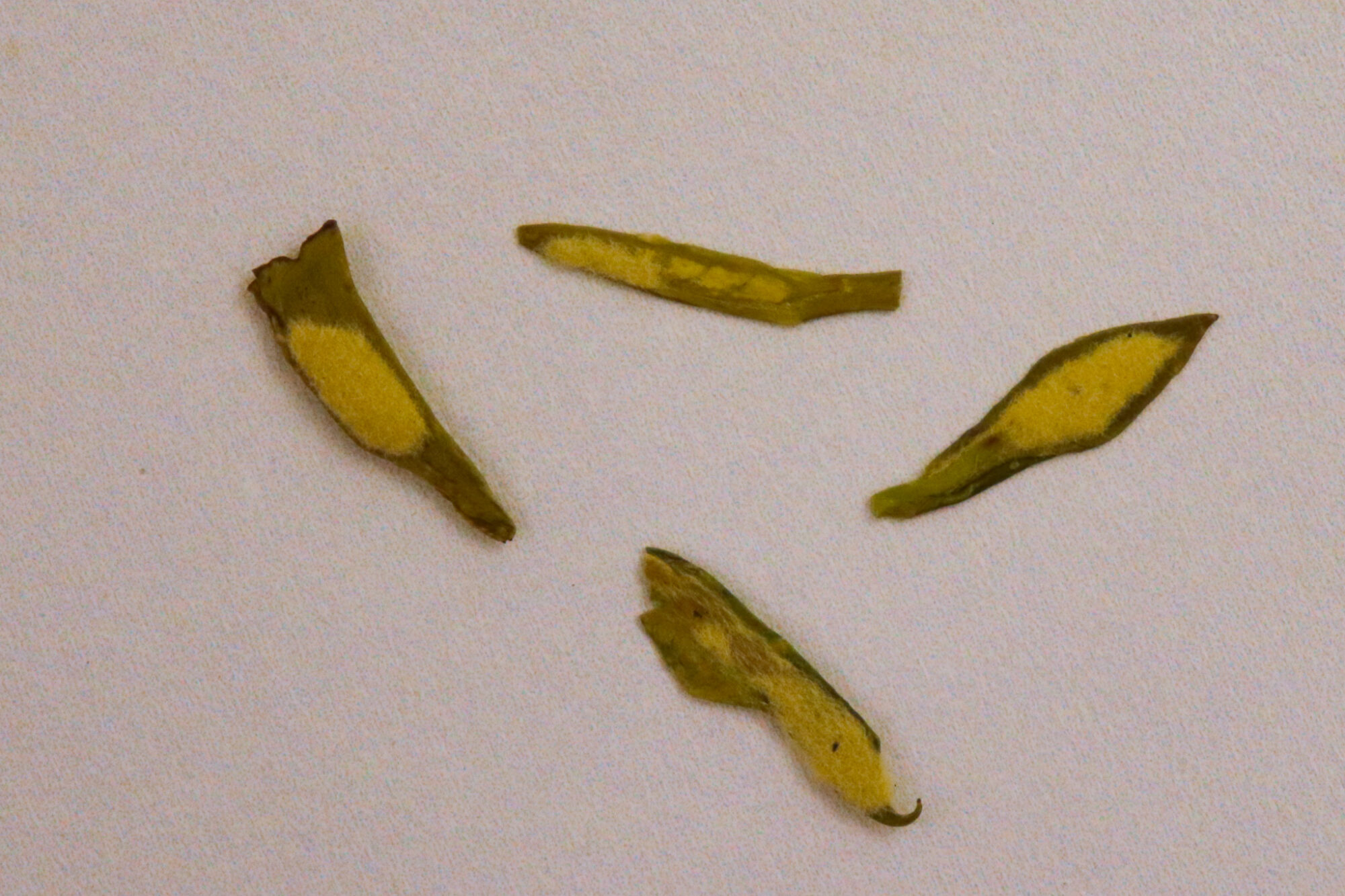
White, green, and yellow teas will have a white or silvery appearance, while black teas will have a golden color due to oxidation. Here are some teas to try if you’re interested in those that have the most trichomes.
- Bai Hao Yin Zhen
- Bai Mu Dan
- Jun Shan Yin Zhen
- Huo Shan and Mengding Huang Ya
- Dragonwell
- Bi Luo Chun
- Huang Shan Mao Feng
- Bai Lin Gongfu
- Jin Jin Mei
- Dian Hong
- 1st Flush Darjeeling
- Bud heavy white and black teas from Nepal

Did you know what trichomes are? Is there anything in this post that surprised you? Let me know in the comments below!
Further Reading
Here are some scientific papers to check out if you’d like to dig even deeper into this topic.
- Volatile metabolomics highlights tea trichome’s positive contribution to aroma and quality of white tea.
- Evaluation of the contribution of trichomes to metabolite compositions of tea (Camellia sinensis) leaves and their products.
- Roles of trichomes in tea plant resistance against multiple abiotic and biotic stresses
- An insight into trichomes-deficiency and trichomes-rich black teas by comparative metabolomics: The impact of oxidized trichomes on metabolic profiles and infusion color.
- Identification of key flavor compounds and color substances in tea: a review
- LC-MS and GC–MS based metabolomics analysis revealed the impact of tea trichomes on the chemical and flavor characteristics of white tea
- Genome-wide identification of the tea plant bHLH transcription factor family and discovery of candidate regulators of trichome formation
- CsMYB1 integrates the regulation of trichome development and catechins biosynthesis in tea plant domestication
Join the Community

Please support my work in tea by joining my Patreon community. Give what you can and receive access to exclusive behind-the-scenes content, my private Discord server, surprise quarterly packages, and more!