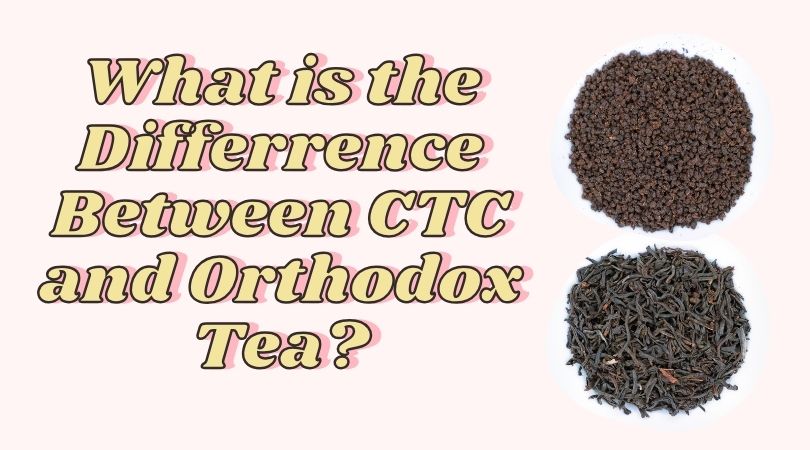
Tea comes to us through two distinct processing methods: CTC (Crush, Tear, Curl) and orthodox. While both start with the same plant, Camellia sinensis, the way the leaves are processed can create dramatically different experiences in your cup. In this post, I’ll compare and contrast these two tea production methods and the different purposes they serve.
What is Orthodox Tea?
Orthodox tea is the original and traditional way of making loose-leaf tea, although machines can replace human labor during certain steps. The leaves are rolled several times to break the cellular structure and start oxidation. Their original shape is generally maintained throughout the process. This careful handling allows the leaves to retain their natural oils and enzymes, resulting in complex flavor profiles. Depending on the type of tea the leaves can be sun-dried, roasted, pan-fired, or steamed to stop oxidation. The tea is then sorted into different grades and packaged. Orthodox teas can be any of the categories of tea.
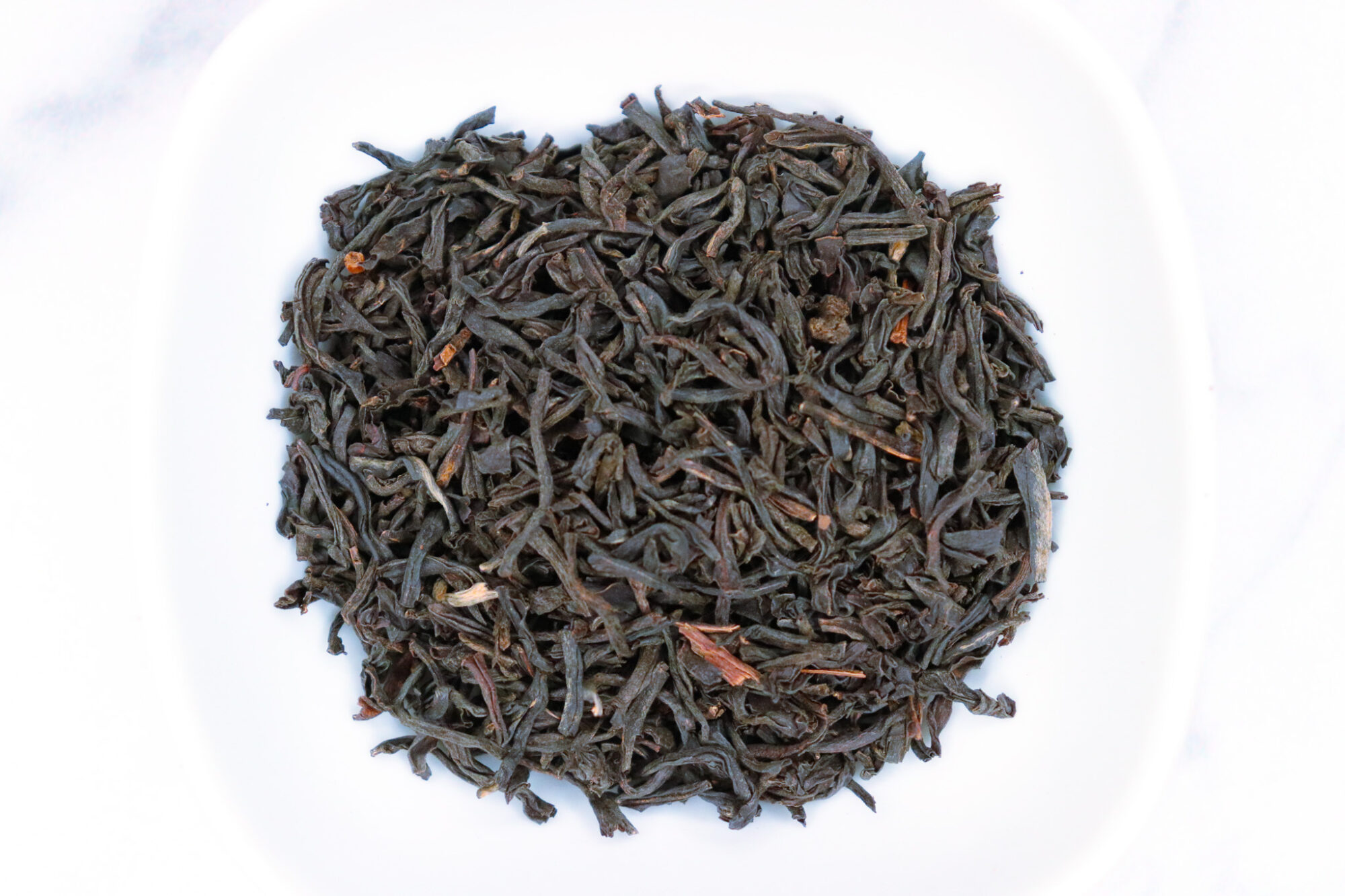
Advantages of orthodox tea processing:
- Preserves complex flavor profiles and subtle nuances
- Allows for greater variation and artisanal production
- Better reveals seasonal characteristics and terroir
- Commands higher prices in the market
- Offers visual appeal with whole leaves
What is CTC Tea?
CTC (Crush, Tear, Curl) is a mechanical method of processing that creates small, uniform pellets that infuse quickly and consistently. Withered leaves pass through a series of cylindrical rollers with hundreds of sharp teeth that thoroughly break down the cell walls of the leaves. This causes rapid and complete oxidation because more surface area is exposed to oxygen. Once the tea is fully oxidized it is dried and sorted before being packaged. Lower grades (referring to particle size, not necessarily quality) of CTC are often what is used for types of tea bags that you might find at the grocery store. CTC is almost always black tea, but some producers do make green tea in this way.

Advantages of CTC tea processing:
- Produces consistent flavor and strength
- Brews quickly and efficiently
- More economical for mass production
- Ideal for milk teas and bold breakfast blends
- Longer shelf life due to smaller particle size
How Do They Compare?
It’s important to remember that CTC is a way of processing, but is not an indicator of the quality of the tea. You can have an excellent CTC, but you also might find a less-than-stellar orthodox tea. The two types of tea serve different purposes. It is more helpful to know what kind of tea experience you want. CTC will produce a stronger, more brisk flavor that stands up well to milk and other additions. This is why it is often the tea style of choice for masala chai. Orthodox tea, especially higher grades, will have more subtle nuances that are extracted over time.
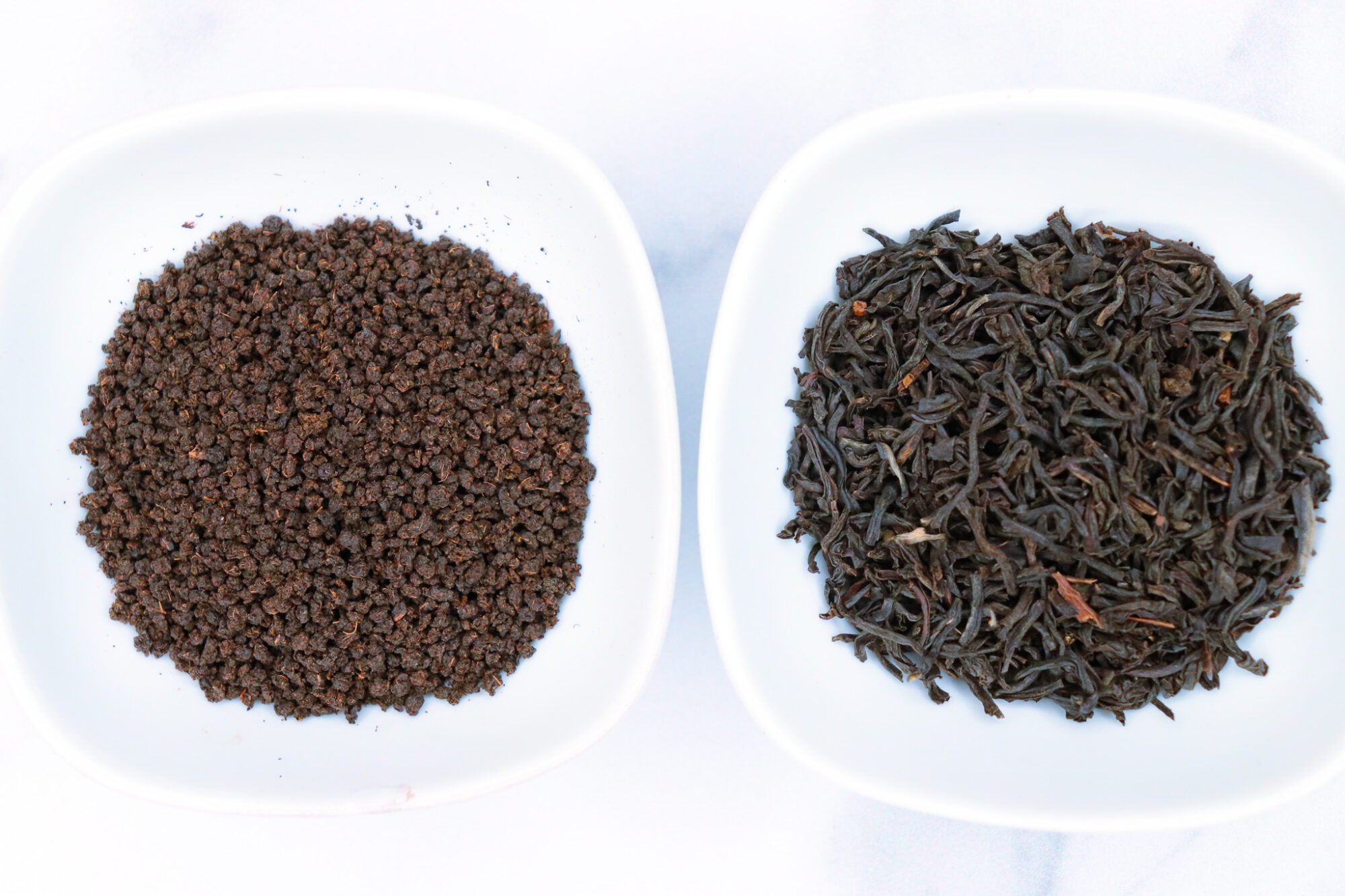
The teas I used for this blog post are both black teas from the Assam region of India. I prepared them in a professional cupping set. Their taste was surprisingly very similar to each other. The CTC style had an up-front malty punch that the orthodox tea did not. There was a bit more particulate at the bottom of the cup for the CTC, but there was not much visual different between the brewed teas.

Do you prefer CTC or orthodox tea? Are there situations where your preference might change? I’d love to hear from you in the comments below!
Help Support This Site

Please support my work in tea by joining my Patreon community. Give what you can and receive access to exclusive behind-the-scenes content, my private Discord server, surprise quarterly packages, and more!
I wish to order Natela’s Gold standard Georgian tea, but can not find a link to order on your website
Sorry, I don’t sell tea. I only write about it. Unfortunately that tea may no longer be available. I reviewed it way back in 2015.