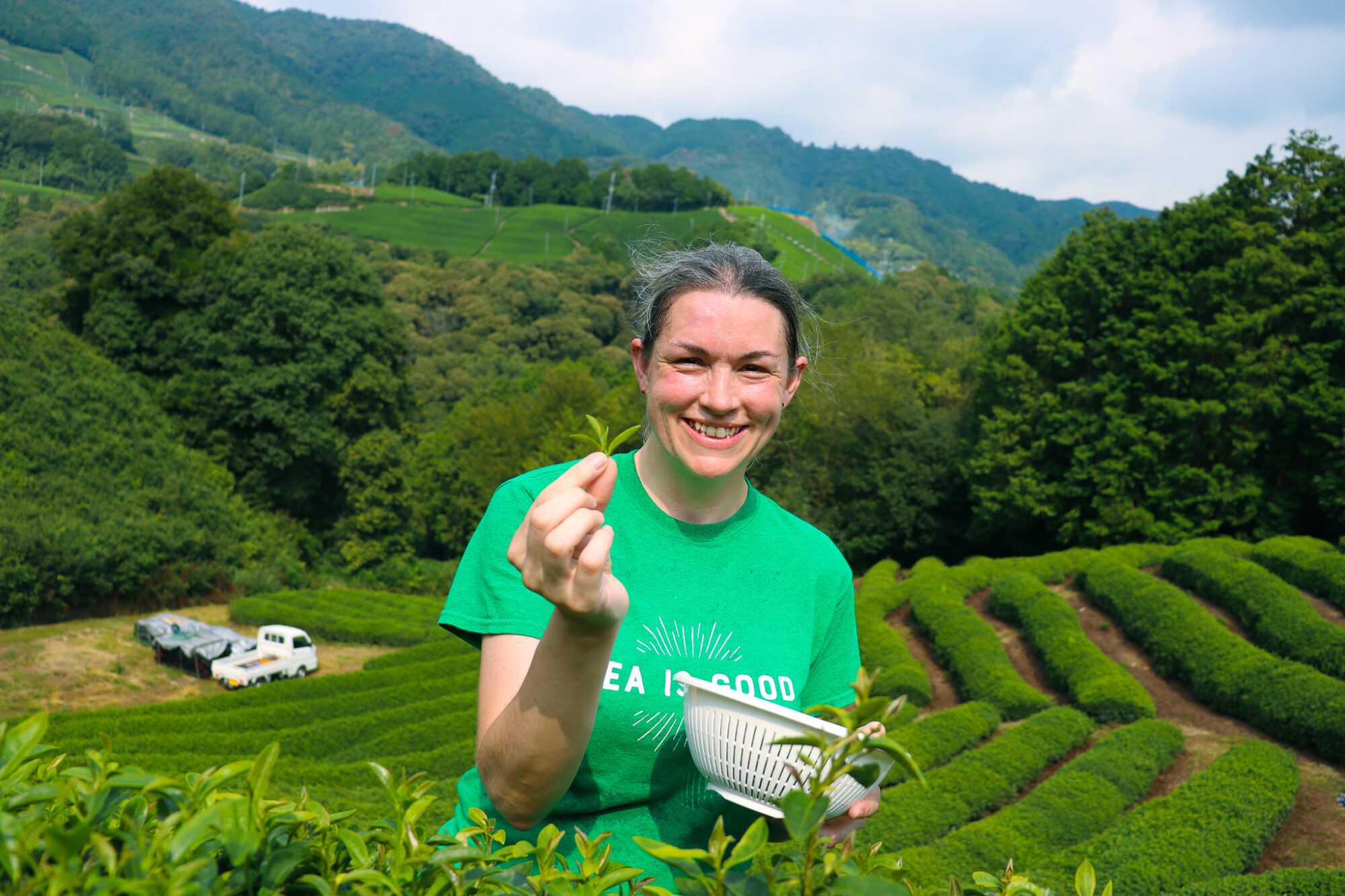
I learned so much on my tea trip to Kyoto that I’m still processing it six months later. Some things were expected, like how matcha is made. There were also a few that took me by surprise. In this post, I’ll be sharing 4 surprising things that I learned on my tea trip to Japan.
I can do hard things
Before this trip, the furthest I had been from home was to the Toronto Tea Festival or World Tea Expo. Traveling across the globe by myself was an intimidating prospect, but visiting Japan was something I had dreamed of for so long. There were a lot of details to sort out. Hotel, travel insurance, and obtaining a Japanese SIM card were only the beginning.
I made every effort to be open-minded when I arrived in Japan. I realized this was a once-in-a-lifetime opportunity, and I wanted to embrace it fully. I encountered new foods and drinks, experienced the challenge of not speaking the local language, and learned to navigate public transportation.
I feel really proud of myself for stepping so far outside of my comfort zone. This trip is proof that I can do hard things when I set my mind to it. I’ve been bitten by the tea travel bug, and I’m already dreaming about my next destination.

Tea is everywhere in Japan, but it is also not
It’s easy to assume that tea would be everywhere in a tea-producing country like Japan. That is not necessarily the reality, though. The konbinis (or convenience stores) and vending machines around Kyoto were full of more unsweetened RTD iced teas than I had ever seen here in the United States. Every restaurant immediately poured a cup of hot tea, much the same as restaurants here provide a glass of water.
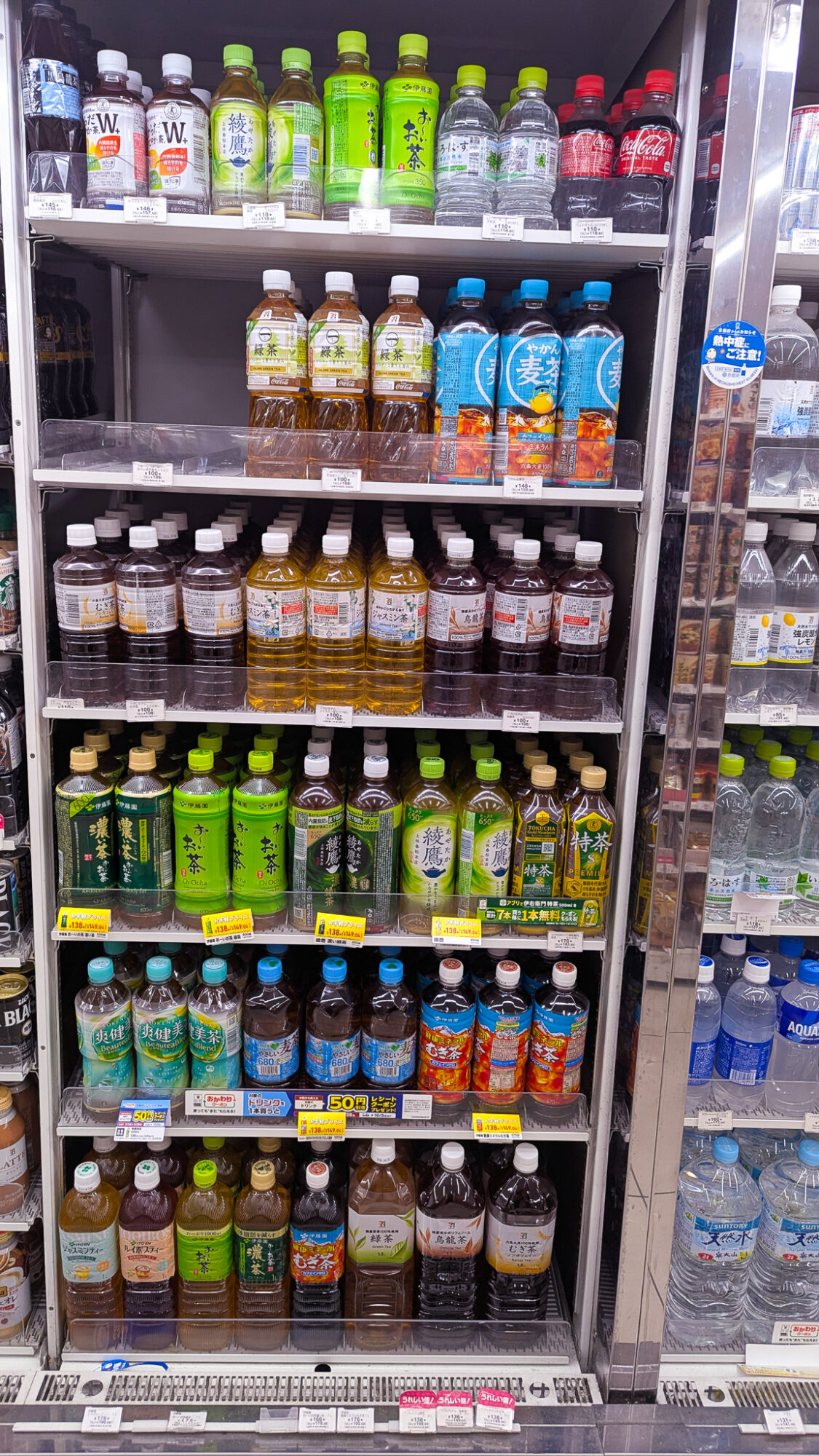
That being said, I was surprised to find that actual tea was hard to come by. My hotel served Ceylon black tea instead of offering locally grown options. There were not many tea places nearby, and the ones that were there had irregular hours or seemed to have closed. I had to walk quite a long distance to get to shops like Ippodo. Touristy stores in Nishiki Market and other places often sold dubious-looking packets of tea and matcha that did not give me any confidence in their quality.
When I spoke with locals, they were surprised to hear that I was visiting Kyoto to study tea. One sake bar proprietor even joked that I was more Japanese than he was because he didn’t drink tea or know anything about it. Tea is so ubiquitous in Japan that it is almost taken for granted. Lifestyles have also changed, and most people no longer brew tea at home the way that their grandparents might have.
Matcha being made in other countries is OK
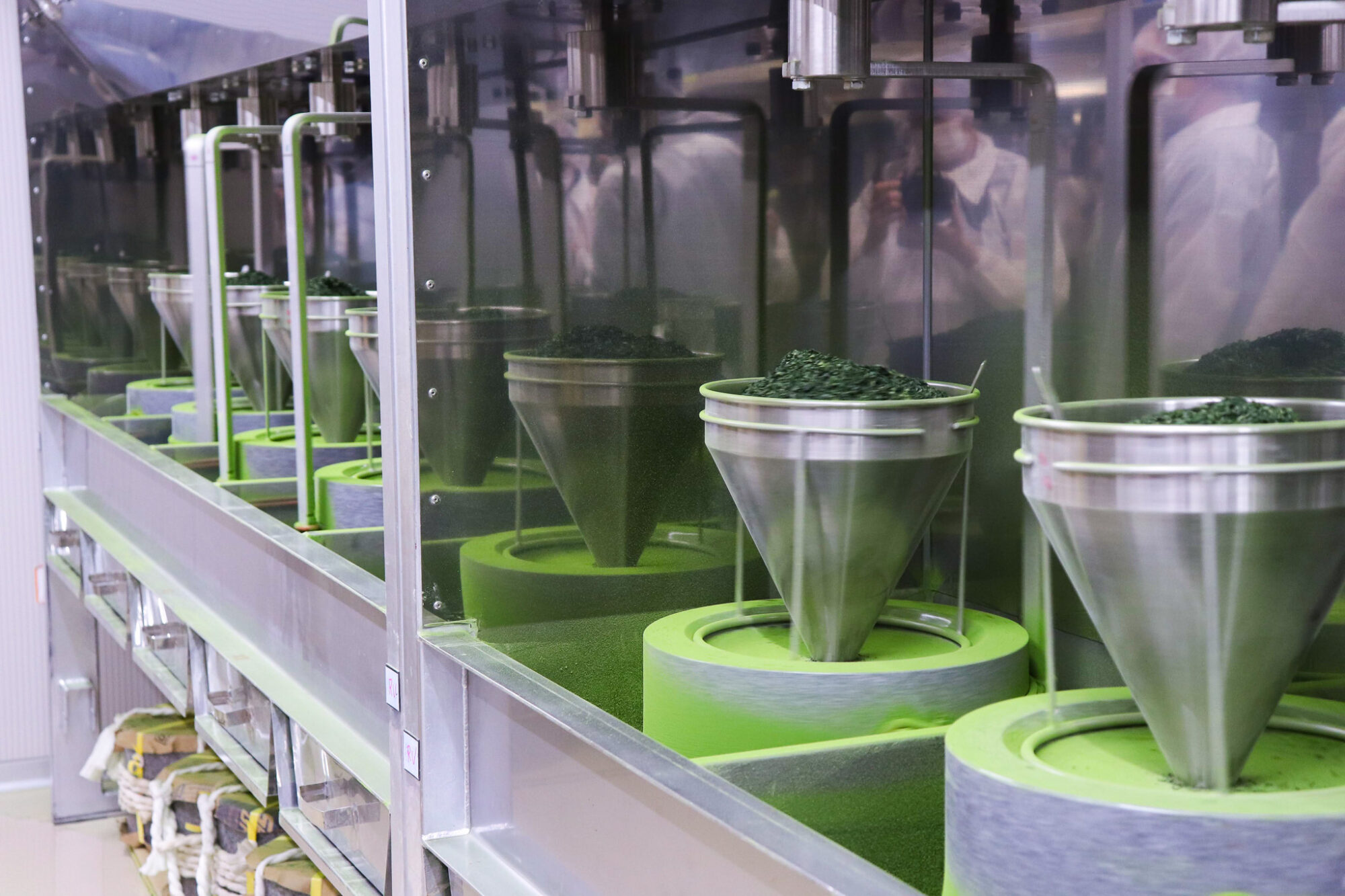
I’ve always been a staunch advocate for matcha being made only in Japan. That is why I was taken aback when tea professionals at matcha factories and other places we visited said they were totally OK with people drinking matcha made in China and other places.
Simply put, Japan can only produce so much matcha. The global demand already far exceeds that output. Trying to keep up will dilute the quality of the tea being made and further stress an already struggling agricultural industry. Production of shaded leaf teas like gyokuro and kabusecha is already being reduced because matcha is more financially lucrative in the short term.
We should all absolutely continue to support Japanese producers when we want high-quality matcha for usucha and koicha. However, there is plenty of space for China and other tea-producing countries to help fill in the gap when it comes to culinary and cosmetic uses for powdered green tea.
The future of Japanese tea is uncertain
I was already aware of some of the issues facing the Japanese tea industry before this trip, but seeing things on the ground really put everything into perspective. The average tea farmer in Japan is 65+ years old. In many cases, the next generation does not see farming as a viable way of life and is reluctant to take over. I saw many visibly abandoned tea fields as we drove through Wazuka to get to Obubu Tea Farms.
Domestic consumption of tea in Japan has dropped dramatically in recent years, with the majority now going into RTD bottles rather than loose leaf or tea bags. Exports are increasing, but tariffs and other global trade issues also present challenges. Climate change is causing less predictable harvests with lower yields. The rising costs of fertilizers and other necessities put a strain on small, independent producers.
It’s not all doom and gloom, though! There is hope that the recent matcha craze will become a sustainable one rather than a flash-in-the-pan trend. Foreign interest in matcha and Japanese teas could spur an increase in domestic consumption as well.
If you’re looking for ways to support the Japanese tea industry, I highly recommend joining the Global Japanese Tea Association. In addition to their classes (which was the purpose of my trip), they have many activities all over the world as well as an online member space with monthly member gatherings.
After this post, I’ll be getting back to my usual educational tea articles. Is there a particular tea topic that you’d like to see covered? A question that has been nagging you? I’d love to hear from you in the comments!
Join the Community

Please support my work in tea by joining my Patreon community. For $2-$5 a month, you’ll receive access to exclusive behind-the-scenes content, my private Discord server, surprise quarterly packages, and more!