Skip to content
  • Blog
    • Learn
    • Sip
    • Travel
    • Connect
    • Create
  • Beginner’s Guide to Tea
  • Matcha
  • Puerh
  • Tea in NYC
  • Book
  • About Me
    • Contact
    • Frequently Asked Questions
    • Press
    • Review Policy
    • Speaking
    • Services
  • Shop
  • Blog
    • Learn
    • Sip
    • Travel
    • Connect
    • Create
  • Beginner’s Guide to Tea
  • Matcha
  • Puerh
  • custom-logo
  • Tea in NYC
  • Book
  • About Me
    • Contact
    • Frequently Asked Questions
    • Press
    • Review Policy
    • Speaking
    • Services
  • Shop
Sip

Tasting Puerh Storage Methods with White2Tea

April 28, 2015March 1, 2020 Post a comment
Tasting Puerh Storage Methods with White2Tea

The kind sir behind +White2Tea sent me a package of tasting samples last year after I asked a total newb question on Tea Chat. How cool is that? I’ve been slowly working my way through them and they’ve really helped me to learn the ropes a bit more. Some of you might remember the previous tasting that I did with their 2013 Jingmai – Old Arbor vs Plantation. This time around I’m tasting three raw puerh, each with different storage methods. Storage of aging teas is an often controversial subject in the tea world. There are several schools of thought on this and there probably won’t ever be a consensus. For more information on storage methods, check out this great article by TeaDB. As a matter of personal preference, I find that I most enjoy tea that has been stored in drier conditions. Part of that is likely my limited experience with wet stored tea.

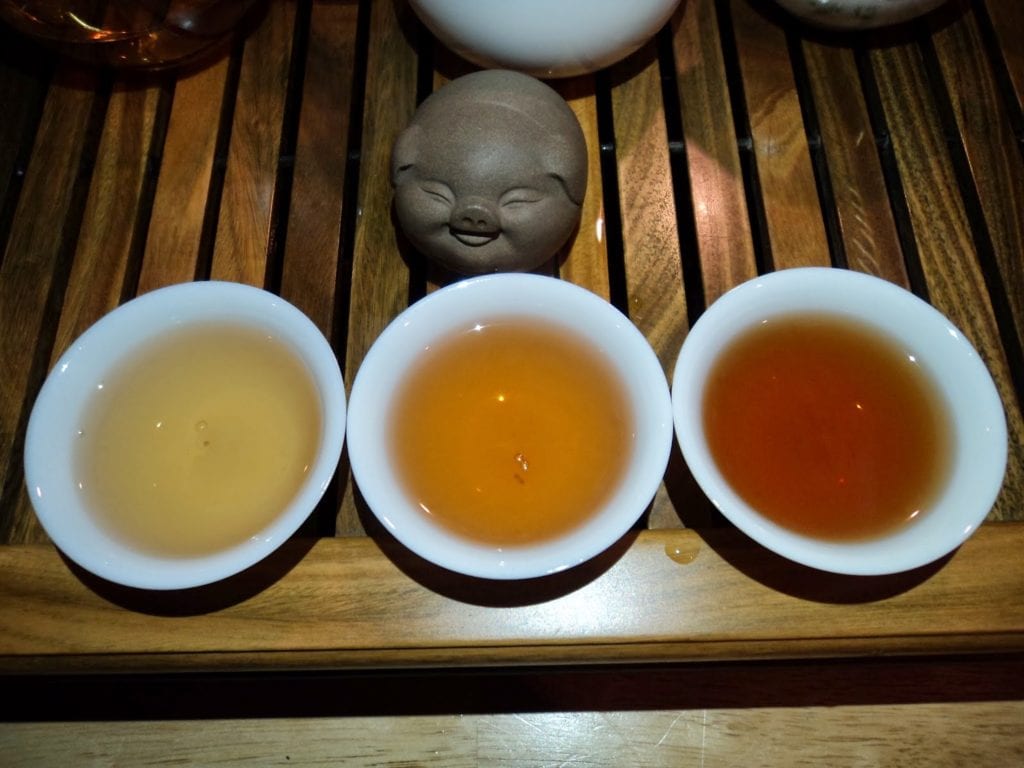
I brewed 5 grams of each tea in gaiwans of the same approximate size. Boiling water for 30 seconds is my standard practice so that is what I followed here.

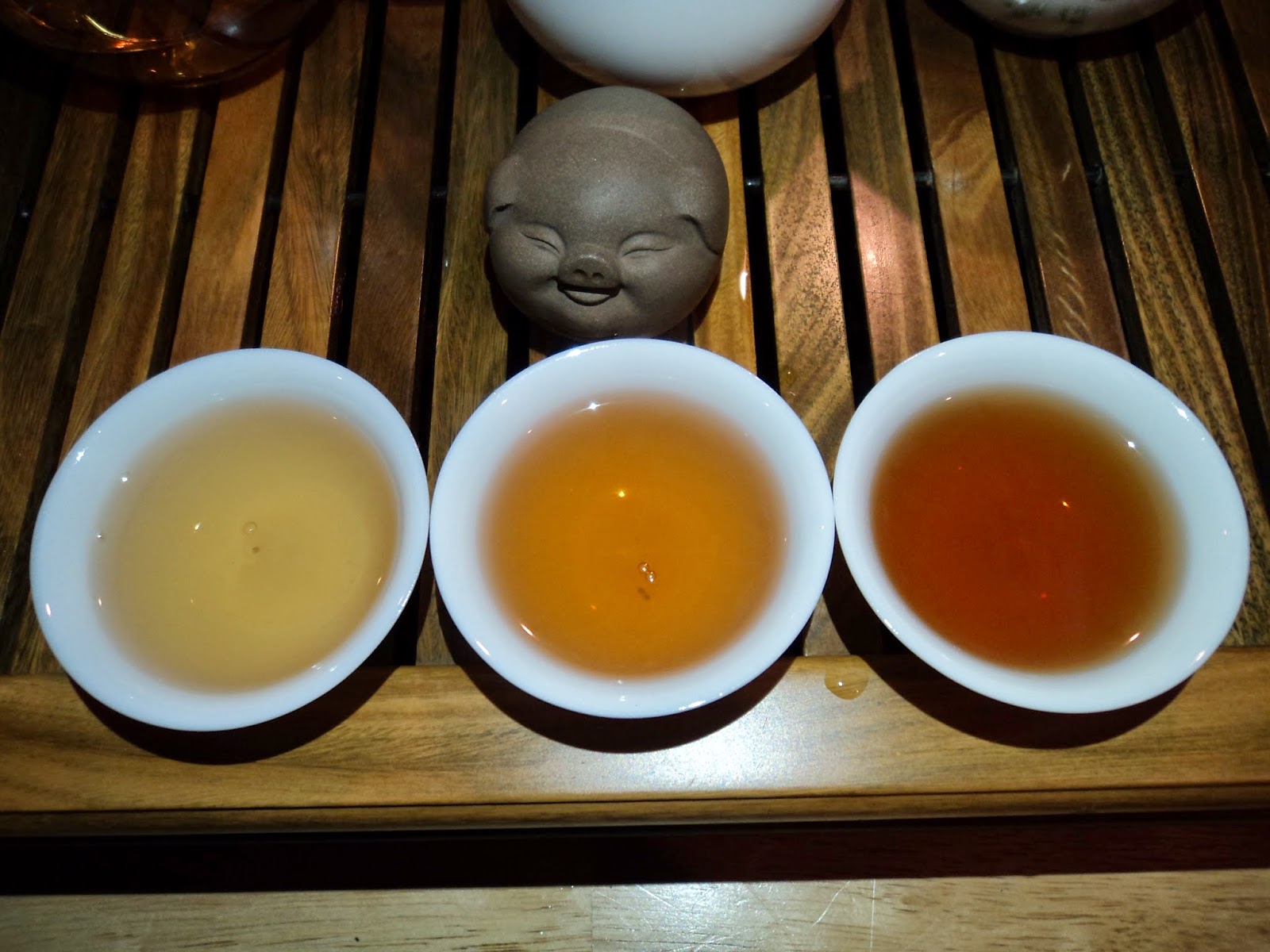
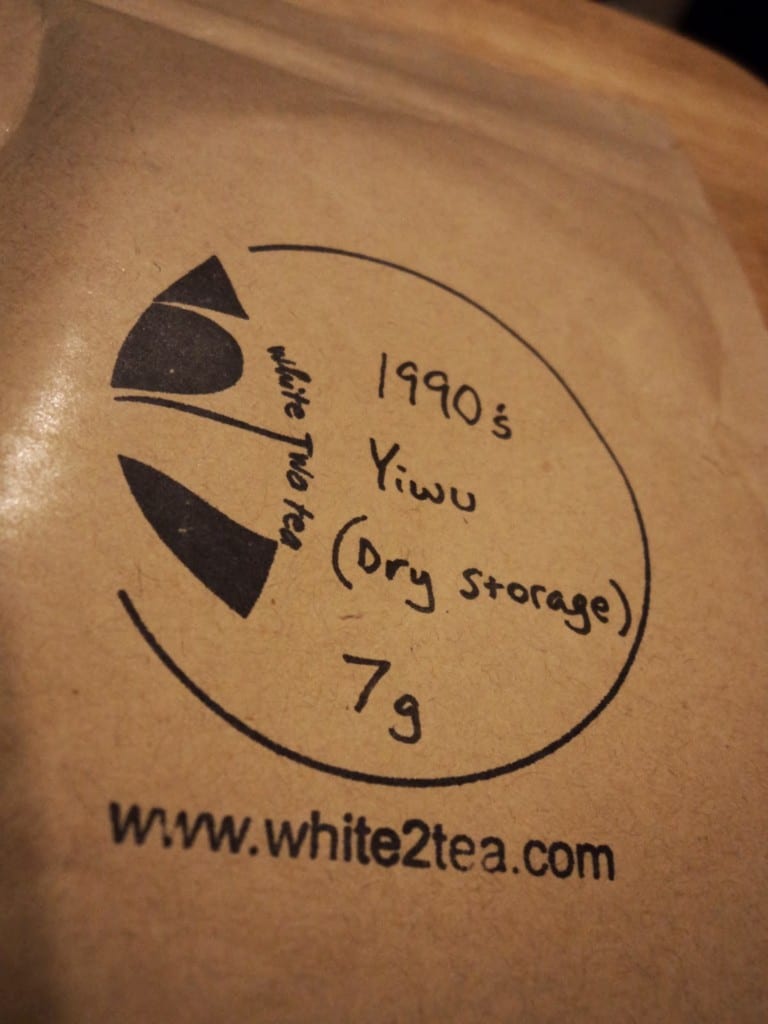
First up is a 1990’s Yiwu with dry storage. Tea from this region is known for being relatively mild. It brewed up the lightest of the three. The taste was more vegetal and the mouth feel was quite a lot thinner.
Tasting Puerh Storage Methods with White2Tea 1Tasting Puerh Storage Methods with White2Tea 2
Tasting Puerh Storage Methods with White2Tea 3

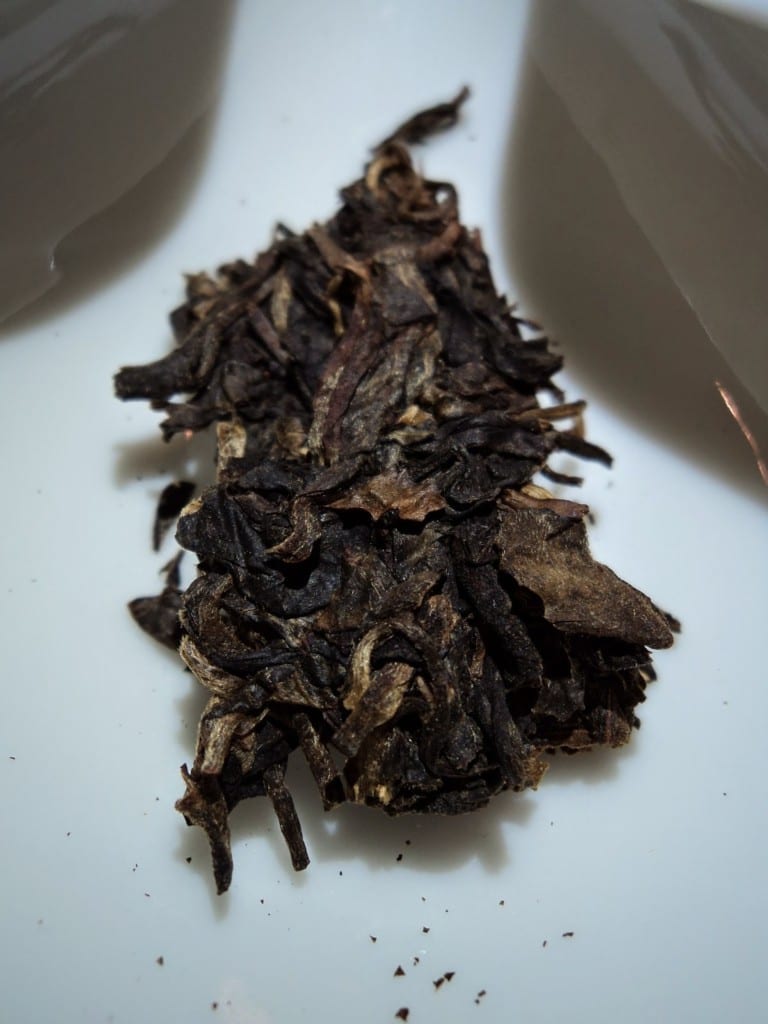
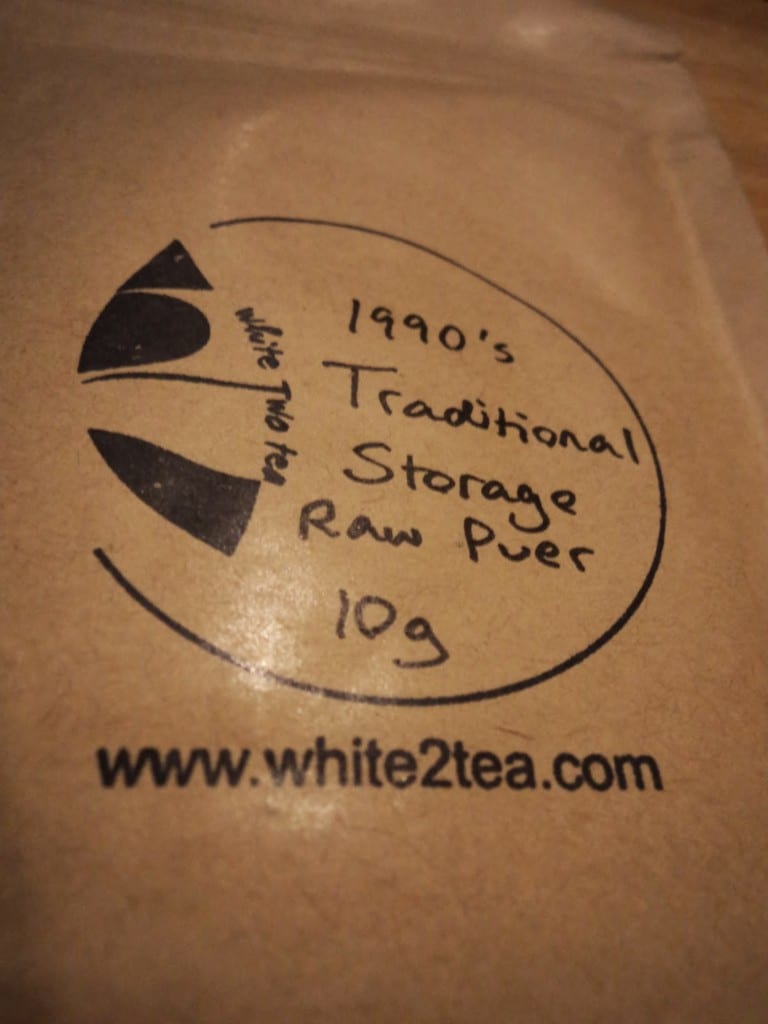
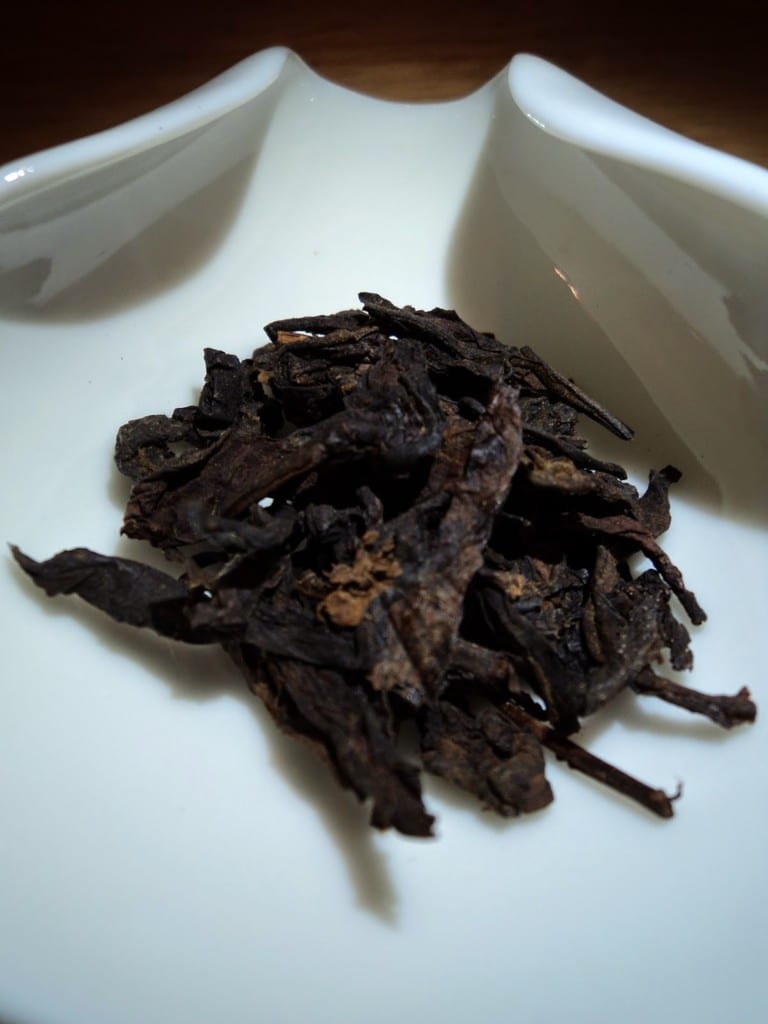
Next we have a 1990’s traditional storage puerh. While we don’t know the region, a difference in how quickly this tea has aged is definitely apparently. The leaves are darker, looking more like shu than shung. The resulting brew was darker and the mouth feel was somewhat thicker.
Tasting Puerh Storage Methods with White2Tea 4Tasting Puerh Storage Methods with White2Tea 5
Tasting Puerh Storage Methods with White2Tea 6
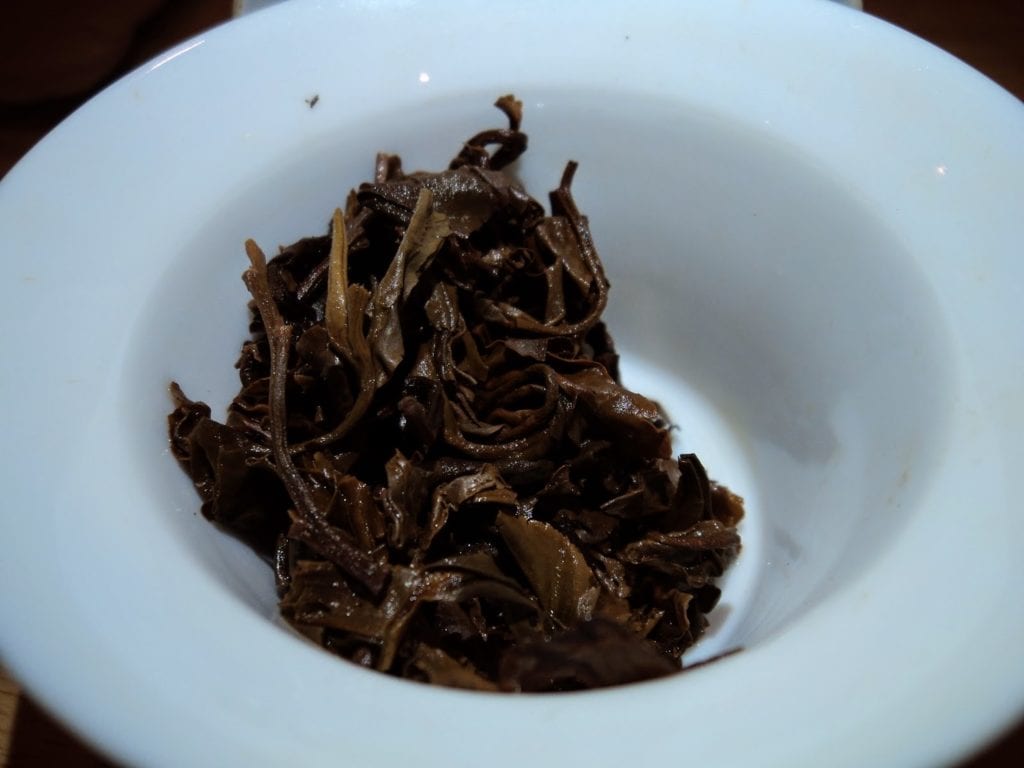
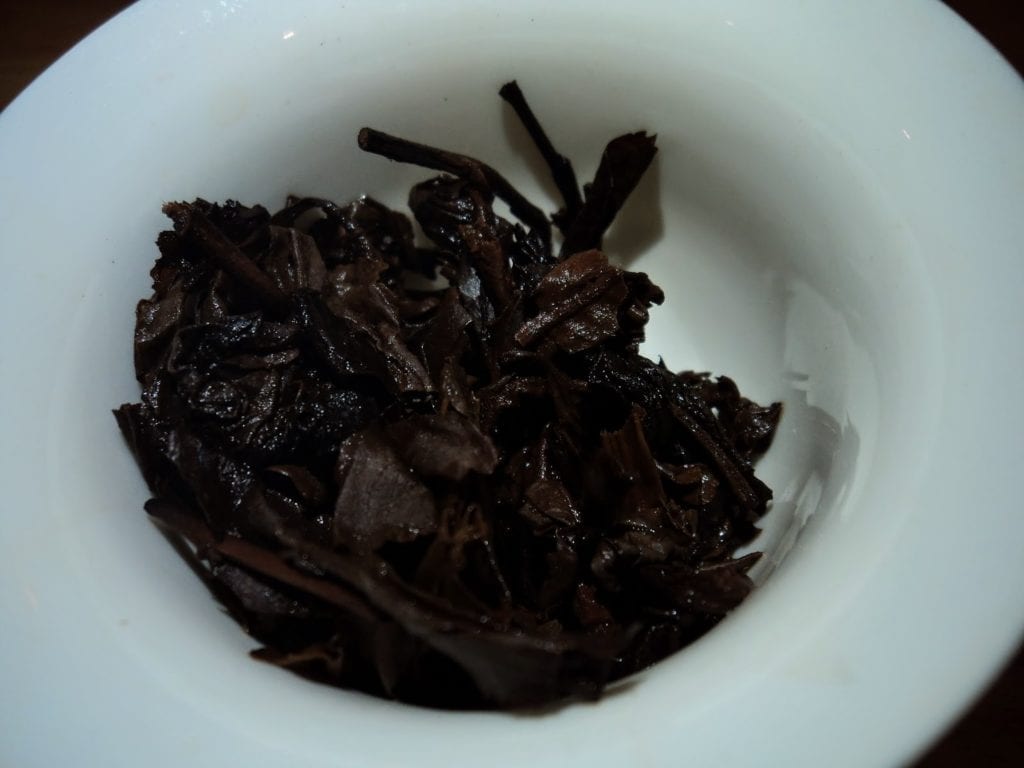
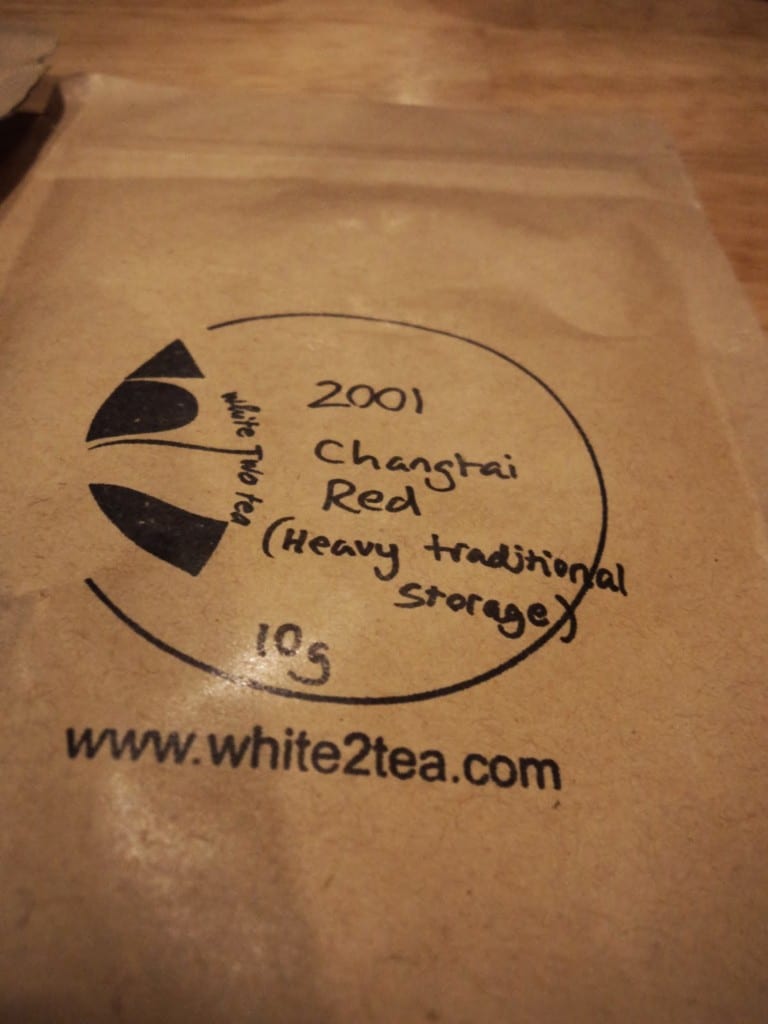
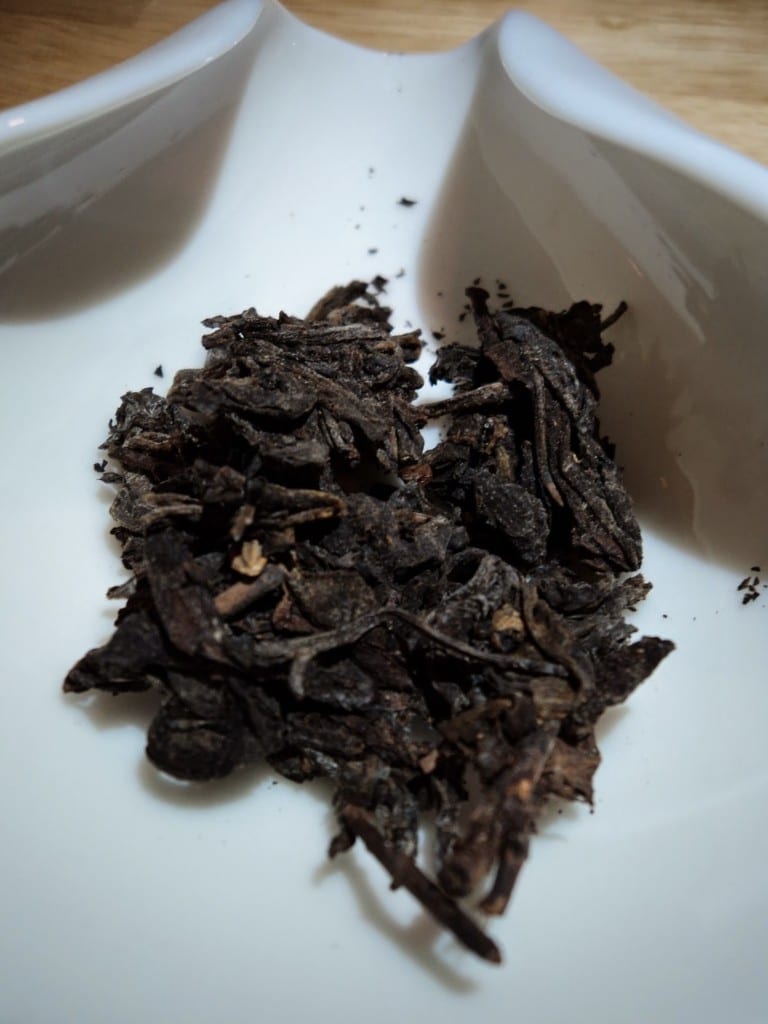
Last but not least was a 2001 Changhai Red with heavy traditional storage. This one had the most dramatic differences from the others by far. The leaves actually appeared to have broken down a bit. It brewed up the darkest of the three and the mouth feel was even thicker. A funky mustiness dominated the first few brews. If I was drinking this tea on a regular basis I’d probably do some heavy duty rinsing.
Tasting Puerh Storage Methods with White2Tea 7Tasting Puerh Storage Methods with White2Tea 8
Tasting Puerh Storage Methods with White2Tea 9

Needless to say, I was extremely over-puerh’d after this tasting. I still prefer my leaves young and dry but I might not be as hesitant to try traditionally stored teas. One of my favorite things about tea is that even after eight years of rabid drinking, I’m still learning and trying new things. My piggy tea pet, Zhu, was also very happy to get so much tea in one session 🙂
Tasting Puerh Storage Methods with White2Tea 10

PuerhTastingTeaWhite2Tea
About Nicole Wilson

About Nicole Wilson

Nicole Wilson is an award-winning tea writer and educator who has been sharing her love of the leaf online for more than a decade. Her website, TeaforMePlease.com, is the longest continuously running tea blog written by a female author. The mission behind everything she does is to help everyone discover the wide world of tea in a fun and approachable way.

Related Posts

Sugimoto Tea Kukicha
Tea Places: Obubu Tea Farms
Brew & Blossom Floral Zhangping Shuixian
Tea Places: Mandaracha

Post navigation

Jalam Teas Bada Mountain Unfermented 2013
Global Tea Hut: March 2015 – Golden Lily

Leave a Reply Cancel reply

Your email address will not be published. Required fields are marked *

Hey, there!

Hey, there!

Nicole Wilson, Tea Writer and Educator

Do you love to drink tea, but wish you knew more about it? I'm here to help! Tea for Me Please is the longest continuosly running tea blog. You'll find over 2,000 articles and tea reviews to start your journey. I'm always happy to answer any questions you might have!

Subscribe

Subscribe to my weekly newsletter for the latest blog posts, tea news, and more!

The Tea Recipe Book

Discover how easy it is to prepare specialty tea drinks at home with The Tea Recipe Book.

About the Book
The Tea Recipe Book

Categories

  • Connect
  • Create
  • Learn
  • Sip
  • Sponsored
  • Travel
Nicole Wilson - wikiHow Tea Expert
Amazon Recommendations

LTK

  • Blog
    • Learn
    • Sip
    • Travel
    • Connect
    • Create
  • Beginner’s Guide to Tea
  • Matcha
  • Puerh
  • Tea in NYC
  • Book
  • About Me
    • Contact
    • Frequently Asked Questions
    • Press
    • Review Policy
    • Speaking
    • Services
  • Shop
Tea for Me Please © 2026 | All Rights Reserved | Designed by Little Theme Shop